



What is Magnesium and Why Does It Matter?
Magnesium is an essential mineral that keeps your body running smoothly. It helps make energy, keeps bones and teeth strong, and lets your muscles and nerves relax properly. When magnesium levels are low, your body might feel off, tired, tense, or just not quite yourself.
Magnesium is an essential mineral your body cannot function without— It’s involved in over 300 enzymatic reactions, helping convert food into energy, regulate nerve signals, relax muscles, stabilise heart rhythm, and keep bones and teeth strong.
How it works is rather clever: magnesium acts like a biological switch, turning enzymes “on” so chemical reactions can happen efficiently. It also balances calcium in cells—allowing muscles to contract and then relax (very important if you’d like to avoid 3 am calf-cramp karaoke). On a nervous system level, magnesium calms excitatory signals, supporting relaxation, stress resilience, quality sleep, and overall nervous system harmony.
Well, good news! You’re not alone in this! Up to one-third of people worldwide don’t get enough magnesium [1]. And low magnesium often doesn’t make a fuss at first, it often starts as a small subtle issue that gradually weaves its way into your daily life until finally you realize something is off.
Signs and Symptoms You Might Be Low in Magnesium
- Trouble sleeping or feeling restless at night
- Leg cramps
- Sharp nerve pain
- Pins and needles
- Muscle twitches
- Nausea
- Constipation
- Feeling tired or weak
- Nervousness and irritability
- Headaches or migraine
- Kidney stones
- Difficulty concentrating or remembering things
If several of these sound familiar, it could be a sign your magnesium intake isn’t enough.
Can Magnesium Help With These Symptoms?
Yes! Magnesium plays a key role in muscle relaxation, nerve function, and overall wellbeing. So if you’re feeling tense, restless, or noticing muscle tightness, magnesium could be part of the picture.
But here’s the thing: not all magnesium is the same. Different forms behave differently in your body. Choosing the right one makes a difference, that’s where knowing your options comes in.
Not All Magnesium Is the Same
Here’s a simple breakdown:
Magnesium Citrate
What it is: Magnesium citrate is a type of magnesium that’s combined with citric acid, the same natural acid found in citrus fruits. It’s a form that’s easy for your body to absorb and use [2].
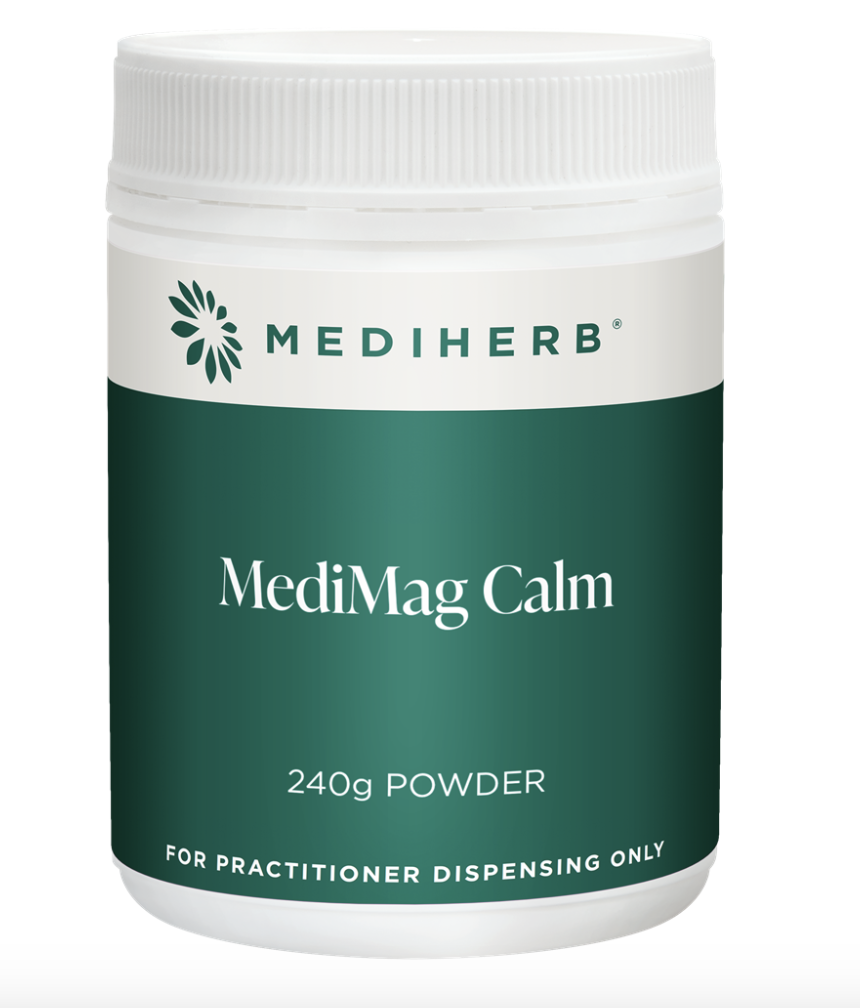
It’s more soluble and bioavailable than something like oxide, and when dissolved in water (like our MediMag Calm Powder), it’s easier on the gut and quicker to assimilate. Citrate also gently draws water into the gut — so at higher amounts it can have a mild laxative effect in some people who may be sluggish. Also containing 🌱 Glycine, glutamine & taurine are amino acids that:
- Glycine: is calming and supports amino acid transport pathways that can make magnesium uptake more efficient and smooth on the gut.
- Glutamine: supports gut lining integrity, which indirectly helps nutrient absorption.
- Taurine: stabilises cell membranes and supports nervous system modulation (a nice bonus with magnesium’s calming actions).
All this means that even though the magnesium in MediMag Calm is citrate, the presence of these amino acids and vitamins improves overall utilisation — especially for nervous system and stress-related pathways, compared to citrate taken in isolation.
Best for: Everyday magnesium support, calming and relaxing muscles.
Our pick: MediHerb MediMag Calm Powder – magnesium citrate and glycine to help support muscles, nerve function, and relaxation, with lemon balm to calm the mind.
Cofactors That Support Metabolism & Nervous System Effects
- Vitamin C and B6 (pyridoxal-5-phosphate): support enzymatic reactions involved in metabolic pathways and neurotransmitter synthesis.
- Zinc: also plays a role in nerve signalling and stress adaptation.
- Withania (Ashwagandha): adds an adaptogenic layer that supports stress resilience.
Magnesium Glycinate
What it is: Magnesium paired with glycine, an amino acid that’s gentle on the stomach and herbs to aid sleep. Glycine aids gentle transportation of magnesium across the gut wall.
Best for: Sensitive stomachs, calming nerves, and supporting restful sleep.
Our pick: MediHerb MediMag Sleep – magnesium citrate, glycine, Melissa officinalis and Ziziphus jujuba to support muscle tone, calm the mind, and manage stress and tension.
Lemon Balm & Ziziphus — Herbal Calming Allies. This formula doesn’t stop at minerals and amino acids — it brings in two classic calming botanicals:
Melissa officinalis (Lemon Balm)https://lindamarionparker.com/shop/medimag-sleep-240g-powder/
- Traditionally used to reduce restlessness and nervous energy and to ease the transition into sleep. It’s gentle and well-studied for its calming effect on the nervous system.
Ziziphus jujuba var. spinosa
- A seed used in traditional medicine to support sleep onset and soothe irritability, often included in formulas aimed at restless or disrupted sleep cycles.
Magnesium Orotate
What it is: Magnesium bound to orotic acid, supporting muscle, nerve, and cardiovascular function [2].This one is the overachiever. It supports cellular energy production and ATP (hello mitochondria). It’s particularly loved for heart health, muscle function, and endurance, making it popular with athletes and people with cardiac concerns.
Absorption: Very high. Orotic acid acts like a VIP pass, shuttling magnesium directly into cells rather than leaving it floating around in the gut.
Best for: Supporting energy, muscle function, and overall wellbeing.
Our pick: Eagle Mag-Oro Tablets – combines magnesium orotate, magnesium amino acid chelate, potassium, and vitamin B6 to support overall magnesium levels, muscle health, and energy production, whilst gentle on the stomach.

Finding Your Magnesium Match
Here’s a quick way to match magnesium to your needs:
- Feeling tense or crampy? Citrate or Glycinate could help.
- Need a gentle, stomach-friendly option? Glycinate is your friend.
- Supporting energy and heart health? Orotate is a contender.
Quick Tip
Everyone’s body is different. Magnesium isn’t “more is better.” Taking too much can cause digestive upset. The right dose and form, ideally guided by a health professional is the best way to go.
Final Thoughts
Magnesium isn’t about “the best one,” it’s about the right one for your body. Some calm your muscles, some support digestion, some help your energy, and some…make you very friendly with the bathroom.
Pick the form that suits your needs, keep the dose balanced, and enjoy the little boost it can give your muscles, nerves, and overall wellbeing.
Not sure which magnesium is right for you? Visit www.lindamarionparker.com/book-now to book a consultation with our Sunshine Coast Naturopath, Linda Parker N.D.
References:
[1] Weiguo Zhang, Youyou Zhao. Global Dietary Magnesium Deficiency: Prevalence, Underlying Causes, Health Consequences, and Strategic Solutions. Int. J. Vitam. Nutr. Res. 2025, 95(6), 46828. https://doi.org/10.31083/IJVNR46828