


When your skin keeps inflaming, your joints feel achy, your digestion is slow and your energy never quite returns, the body is telling a different story.
Immune support for chronic inflammation is about understanding why your body is stuck in defence mode and giving it the right conditions to settle, repair and regulate.
For many people, especially those living with eczema, psoriasis, rosacea, acne, hair loss or hormonal disruption, inflammation is not random. It is often the visible end result of immune imbalance, gut dysfunction, stress overload, poor detoxification, blood sugar swings, hidden food reactions or ongoing triggers that have never been fully addressed. If you find the cause, you find the cure. That is where true healing begins.
What chronic inflammation is
Inflammation itself is not the enemy nor is it the cause!
In the short term, its the good guy! It helps you heal from infection, injury and stress. The problem begins when the immune system stays switched on for too long. Instead of resolving and resetting, it continues sending distress signals through the body.
This can show up in obvious ways such as redness, itching, breakouts, rashes and swelling. It can also appear as brain fog, fatigue, fluid retention, headaches, sluggish digestion, sinus issues, hormonal instability and a general sense that your body is not coping the way it used to.
Linda can tell in 3 seconds after looking into your iris, if there is inflammation in the body. Iridology is a quick and reliable tool used in her practice.
For some people, the skin becomes the loudest messenger. For others, the signs are quieter but no less disruptive.
Chronic inflammation also has a cumulative effect. The longer the body remains inflamed, the more strain it places on immunity, hormones, the gut lining, the nervous system and the liver. That is why a cream, a supplement or a strict food plan may help for a while but fail to create lasting change if the deeper drivers are still there.
Immune support for chronic inflammation starts at the root
The immune system does not work in isolation. It listens constantly to what is happening in the gut, the endocrine system, the nervous system and the environment around you. That is why immune support for chronic inflammation has to be whole-body support.
A large part of immune activity is centred in the gut. If the gut lining is irritated, the microbiome is disrupted or food is not being properly digested, the immune system can become more reactive. This is one reason skin conditions and digestive symptoms so often travel together. Bloating, reflux, constipation, loose stools and food sensitivities are not side notes. They are clues.
Hormones matter too. Oestrogen shifts, insulin resistance, adrenal stress and thyroid imbalance can all feed inflammatory pathways. This is particularly common during perimenopause, menopause and with conditions such as PCOS and endometriosis. When hormones are unstable, the immune system often becomes more reactive, and the skin commonly reflects that.
Then there is the nervous system. If you have been under prolonged emotional stress, not sleeping deeply or running on cortisol for months or years, your body may struggle to switch out of survival mode. A dysregulated nervous system can amplify inflammation and slow healing, even when you are eating well and taking all the right things.
The most effective support is not one-size-fits-all
This is where many people feel defeated. They have tried anti-inflammatory diets, expensive supplements and medicated products, yet the flares keep returning.
The truth is, what calms one person may aggravate another. A healthy food for one body can be inflammatory for another body under strain. Linda may opt to do a Food Intolerance Test.
Sometimes the priority is repairing the gut lining and reducing immune triggers. Sometimes it is supporting liver clearance and hormone metabolism. Sometimes it is calming mast cell activity, reducing histamine load or restoring mineral balance. In other cases, the first step is not nutritional at all. It is nervous system support, better sleep and creating enough safety in the body for healing to happen.
What to focus on for better immune regulation
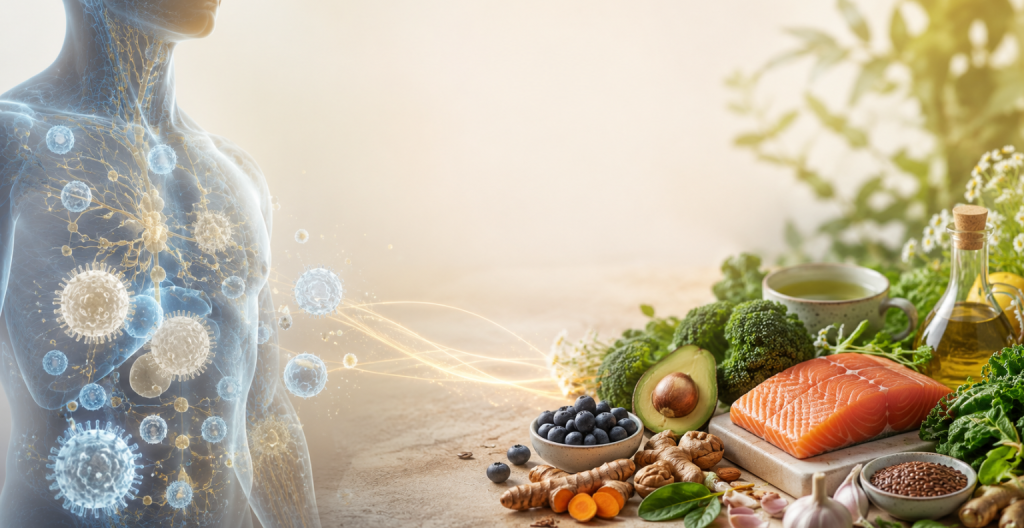
The goal is not to fear food. The goal is to reduce inflammatory burden while improving nourishment. That usually means emphasising whole foods, quality protein, fibre, healthy fats, colourful plant foods and steady blood sugar. It may also mean temporarily removing personal triggers while the gut and immune system are being repaired.
Gut repair is often central. This can involve supporting digestive secretions, improving bowel regularity, addressing microbial imbalance and helping to restore the integrity of the gut lining. When the gut barrier is stronger, the immune system usually becomes less reactive.
Supporting gut health can be an important part of reducing chronic inflammation. Gut Food Powder provides targeted nutritional support to help nourish the gut lining, support digestive function and promote a healthier foundation for immune balance
Nutrient status is another key piece. Zinc, vitamin D, omega-3 fats, magnesium, selenium and antioxidants can all play important roles in immune balance and inflammatory control. But more is not always better. The right nutrients, in the right form, at the right time, make all the difference.
Herbal medicine can also be deeply supportive when prescribed well. Certain herbs help modulate immune activity, soothe irritated tissues, support liver function, improve stress resilience or calm inflammatory skin patterns. The value of herbs lies in their ability to work with the body rather than simply suppress what it is trying to communicate.
Skin Herbal Tincture may be recommended as part of a personalised naturopathic treatment plan to help support healthy skin, calm inflammation and promote immune balance from within.
Lifestyle is not an optional extra. Sleep, sunshine, exercise, relationships, emotional strain and environmental exposure all influence immune function.
If your body is carrying a high stress load, healing can stall. Gentle exercise, time in nature, breathwork, reducing toxic load and creating restorative daily rhythms can be far more powerful than people realise.
Why skin flare-ups often reflect immune imbalance
Skin is one of the clearest windows into internal inflammation. When the immune system is overreactive, the skin often becomes the battleground. That may look like persistent redness, dry patches, flaking, hives, cystic breakouts, itching or heat in the skin.
Topical care still matters, of course. A compromised skin barrier needs calming, hydration and protection. But if you only treat the outside, you can end up in a cycle of temporary relief without true resolution. The most lasting changes often happen when topical support is paired with internal assessment and targeted whole-body treatment.
While internal healing is essential, caring for the skin barrier is equally important. Linda’s Extra Deep Moisturising Lotion helps deeply hydrate dry, irritated skin while supporting the skin’s natural protective barrier.
This is especially relevant if your condition has become chronic, changes with stress, worsens around your cycle, flares after certain foods or appears alongside digestive and hormonal symptoms. These patterns are telling you something important. The immune system is involved, and the body is asking for a more complete response.
A realistic view of healing
Healing chronic inflammation is rarely linear. Symptoms may improve in layers. Skin can calm before energy returns. Digestion may improve before hormones settle. Some people feel better quickly once key triggers are removed. Others need a more gradual rebuild, especially if they have been unwell for a long time.
There are trade-offs too. A very strict elimination approach might reduce symptoms fast, but it can be hard to sustain and may create stress around food. A gentler approach may take longer, but it is often easier to maintain and more supportive of long-term balance. It depends on the person, the condition, the severity of inflammation and how depleted the body has become.
Immune support for chronic inflammation is about restoration
Real immune support is not about boosting the immune system. If your body is already inflamed, aggressive stimulation can sometimes make things worse. What you want is regulation. You want an immune system that can respond when needed, then settle again. You want resilience rather than reactivity.
That is why a root-cause naturopathic approach can be so powerful for people who have felt dismissed, rushed or stuck in symptom management. When the whole picture is considered – gut health, hormones, stress, skin barrier, nutrition, inflammation and energetic depletion – treatment becomes more intelligent and more effective.
Linda Parker’s style of care is about helping people come back into balance so their skin, mood, confidence and vitality can shift with them.
When inflammation settles, people often notice far more than clearer skin. They feel calmer, lighter, more stable and more like themselves again.
When you stop chasing symptoms and start honouring the deeper cause, healing has time to start.
Ready to uncover the root cause of your chronic inflammation?
If you’re tired of managing symptoms without lasting results, an initial consultation with Linda Parker can help identify the underlying factors contributing to your inflammation. Using a comprehensive naturopathic assessment—including your health history, symptoms and iridology where appropriate—Linda develops a personalised treatment plan designed to support immune balance, reduce inflammation and restore your wellbeing.
Book your Initial General Consultation today and take the first step towards lasting healing.