Description
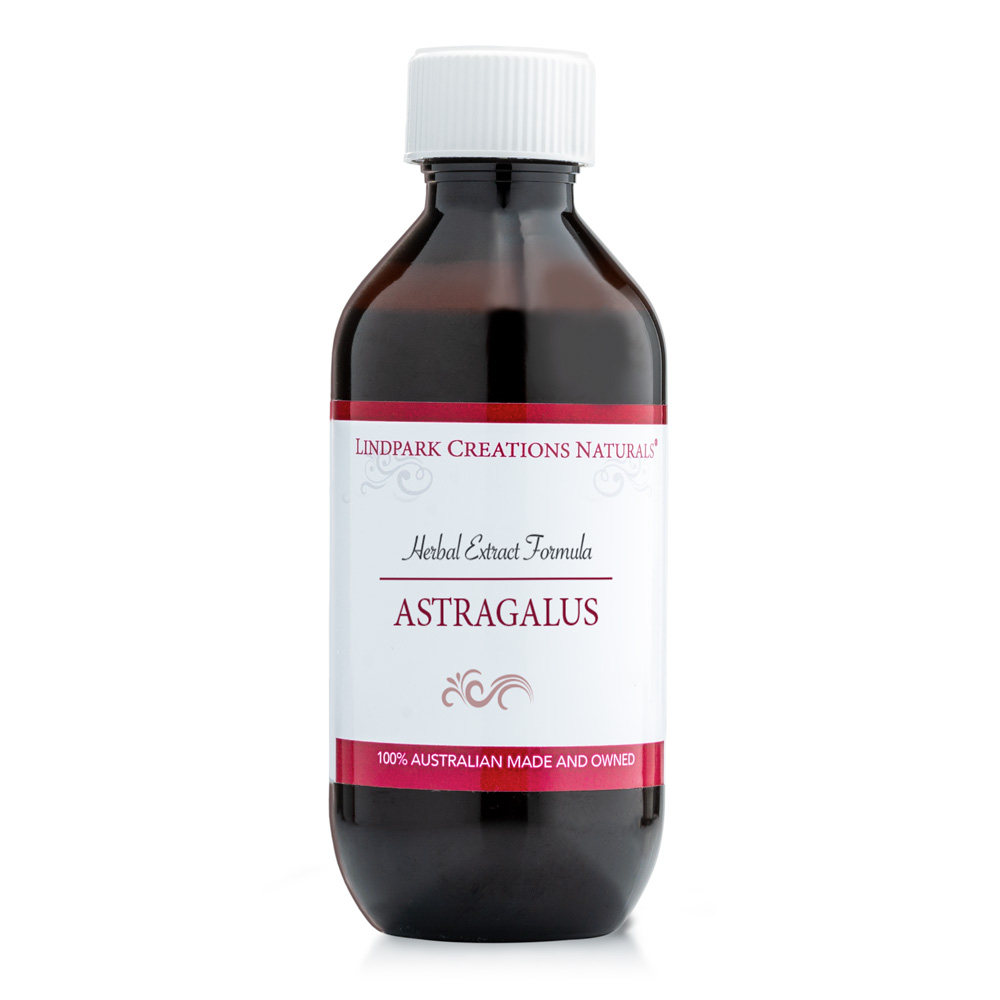
Astragalus (Astragalus membranaceus)
Astragalus, also known as Huang Qi or Astragalus root, is a traditional Chinese medicinal herb with a long history of use in Traditional Chinese Medicine (TCM). The root has traditionally been valued as a strengthening and restorative herb, particularly for supporting Qi, vitality, stamina and the body’s natural defences.
Astragalus is considered one of the important Qi-tonifying herbs in TCM and is traditionally used when there is weakness, fatigue, reduced vitality or a tendency towards recurrent illness. It is also used to support healthy respiratory, cardiovascular, digestive and immune function.
What Astragalus May Support
Astragalus has traditionally been used to support:
- Healthy immune system function and natural resistance to infection
- General vitality, stamina and physical endurance
- Recovery from periods of weakness, fatigue or chronic illness
- Healthy respiratory function, particularly for those prone to recurrent colds
- Healthy cardiovascular function and circulation
- Healthy kidney and fluid balance
- Healthy digestive function and appetite
- Healthy blood and energy levels
- The body’s natural antioxidant and inflammatory balance
Modern research has investigated Astragalus for its immunomodulatory, antioxidant, adaptogenic, cardioprotective, hepatoprotective, antiviral and antibacterial properties. Research has also explored its potential role in supporting cardiovascular, respiratory, kidney, metabolic and immune health. While research is promising in several areas, further clinical studies are needed to establish its effectiveness for specific health conditions.
Key Constituents
Astragalus root contains several naturally occurring compounds, including saponins, polysaccharides, flavonoids, amino acids and trace minerals. Notable constituents include astragalosides and cycloastragenol, which have been investigated for their biological activity.
Important Information
Astragalus is traditionally considered a gentle, warming tonic that gradually supports the body’s reserves rather than producing an immediate stimulating effect.
Safety during pregnancy has not been fully established. Although no evidence of foetal damage has been reported in animal studies and no safety concerns were reported in one clinical study involving pregnant women with gestational diabetes, consult a qualified healthcare practitioner before use during pregnancy.
Astragalus may not be appropriate for everyone, particularly those with certain autoimmune conditions or specific stages of Lyme disease. It should also be avoided by people taking immunosuppressive medicines or those who have undergone organ transplantation, unless supervised by a qualified healthcare practitioner.
If you take prescription medicines, particularly immunosuppressants or lithium, or have an existing medical condition, seek professional advice before use.
For more detailed information about Astragalus, including its traditional uses, constituents, research and clinical considerations, please see the full herbal monograph.
Read More: Astragalus (Astragalus membranaceus)_Monograph
Read More: Astragalus (Astragalus membranaceus)_Summary