
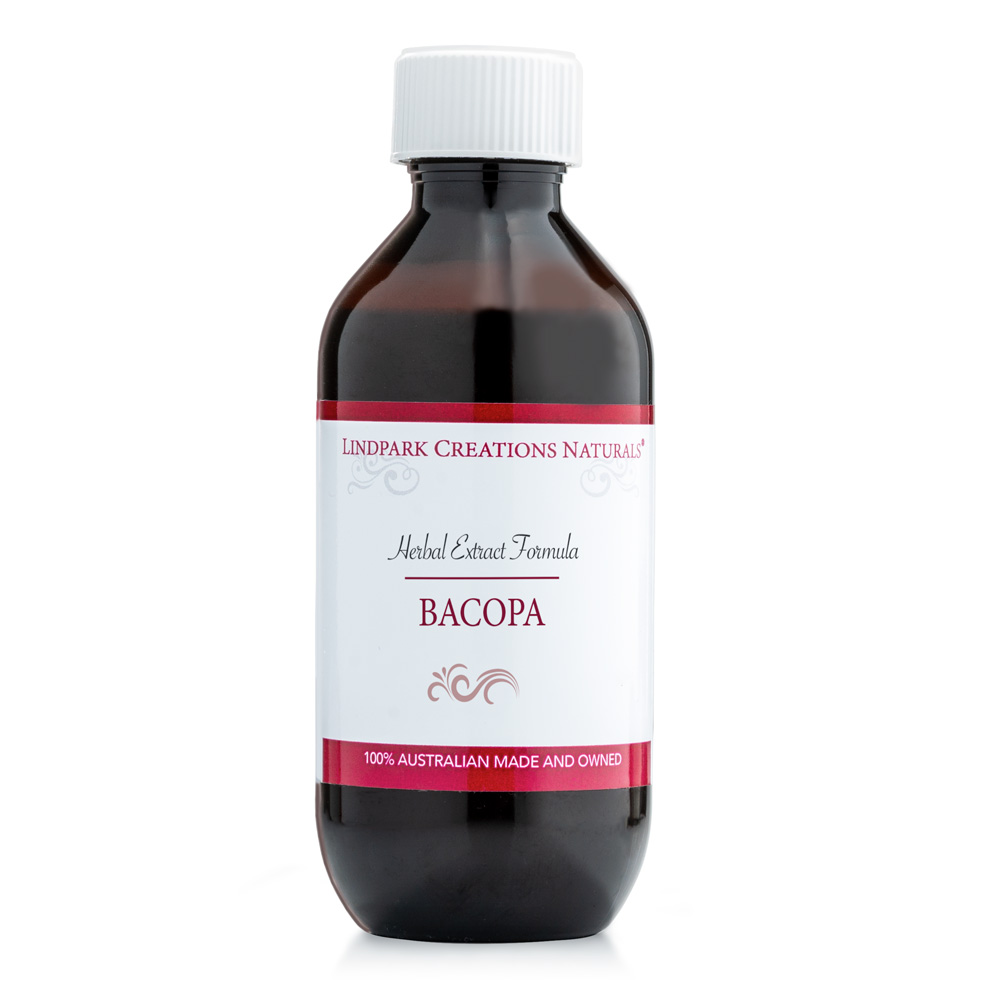
Bacopa monniera 200mL

$79.50

Bacopa (Bacopa monnieri), also known as Brahmi or water hyssop, is a traditional Ayurvedic herb valued for its effects on the brain and nervous system. Traditionally used as a medhya rasayana, Bacopa has been used for centuries to support memory, learning, concentration and mental clarity, as well as to promote calmness and nervous system resilience.

Bacopa may traditionally support:

  • Memory, learning and recall
  • Concentration, attention and mental clarity
  • Cognitive performance and healthy brain function
  • Nervous system wellbeing and mental resilience
  • Stress, nervous tension and occasional anxiety
  • Mental fatigue, nervous exhaustion and overwork
  • Healthy cognitive function during ageing
  • Antioxidant and neuroprotective activity
  • Digestive comfort and healthy gastrointestinal function


Description

Bacopa (Bacopa monnieri), also known as water hyssop or Brahmi, is a creeping succulent herb traditionally used in Ayurvedic medicine for almost 3,000 years. It naturally grows in moist and wet environments and is particularly valued in traditional herbal practice as a brain and nervous system tonic.

In Ayurveda, Bacopa is known as a medhya rasayana, a class of herbs traditionally used to support intellect, memory, learning and mental function. Its traditional uses also include supporting calmness, nervous system resilience, vitality and general wellbeing. The name Brahmi is associated with Brahma, the Hindu creator deity, reflecting the herb’s long-standing connection with knowledge and mental activity.

What Bacopa May Support

Bacopa is particularly valued for its traditional and researched role in supporting:

  • Memory and learning – traditionally used to support recall, concentration, mental clarity and cognitive performance.
  • Mental focus and attention – may help support attention, information processing and working memory.
  • Nervous system wellbeing – traditionally used as a nervine tonic for nervous exhaustion, mental overwork and debility.
  • Stress and emotional wellbeing – its anxiolytic and adaptogenic properties have been investigated for their potential to support a calmer response to stress.
  • Healthy ageing – research has investigated Bacopa for age-related changes in memory and cognitive performance.
  • Antioxidant and neuroprotective support – Bacopa contains compounds that have demonstrated antioxidant activity and have been investigated for their potential protective effects on nervous tissue.
  • Digestive comfort – traditional and preclinical research has investigated its soothing and antispasmodic effects on the gastrointestinal tract.
  • General vitality and resilience – traditionally used as a restorative tonic, particularly during periods of mental or nervous exhaustion.

Key Constituents

Bacopa contains a range of naturally occurring compounds, particularly triterpenoid saponins, including bacoside A and bacoside B. Other constituents include flavonoids such as apigenin, alkaloids, glycosides, D-mannitol and stigmasterol.

The bacosides are among the most studied constituents of Bacopa and are thought to contribute to its cognitive, antioxidant and neuroprotective properties.

Research

Human studies have investigated standardised Bacopa extracts for memory, learning, attention and information processing. Several clinical trials have reported improvements in aspects of memory and cognitive performance following regular supplementation, with benefits generally becoming more apparent after several weeks of continued use rather than from a single dose.

Research has also investigated Bacopa for stress and mood, with some studies reporting anxiolytic and adaptogenic effects. Preclinical research has explored additional antioxidant, neuroprotective, anti-inflammatory, vasodilatory, gastrointestinal and anticonvulsant properties.

While these findings are promising, research does not establish Bacopa as a treatment or cure for neurological, psychiatric or other medical conditions.

Important Information

Bacopa is generally well tolerated, although standardised extracts may occasionally cause mild gastrointestinal effects such as nausea, abdominal cramps, increased stool frequency or diarrhoea.

Safety during pregnancy has not been sufficiently established. Although Bacopa has a history of traditional use during pregnancy, professional guidance is recommended before use.

Caution is advised in hyperthyroidism, as animal research has found that Bacopa may increase thyroxine (T4) levels, although the clinical significance of this finding remains uncertain.

Bacopa may theoretically interact with medicines that affect acetylcholine or serotonin, including acetylcholinesterase inhibitors, anticholinergic medicines and some antidepressants. If taking prescription medicines, seek professional advice before use.

For more detailed information on Bacopa, including its traditional applications, pharmacological research, cautions and interactions, please refer to the full herbal monograph.

Read more: Bacopa (Bacopa monnieri)_Monograph

Read more: Bacopa (Bacopa monnieri)_Summary

Additional information

Constituents:

Steroidal saponins Bacoside A and B.

Directions for use:

Adults: 7.5 mLs 2 x day with food or after food

Children (6-12 years): 1 x day with or after food

*Not to be used in children under 5 years of age

Actions

  • Nootropic
  • Anxiolytic
  • Sedative
  • Nervine tonic
  • Adaptogen
  • Neuroprotective
  • Antioxidant
  • Antidepressant
  • Anti-inflammatory
  • Vasodilator
  • Antinociceptive
  • Mild anticonvulsant

Indications

  • Supporting cognitive function, learning, memory, concentration and mental clarity
  • Supporting attention and mental performance during study and periods of mental overwork
  • Supporting healthy cognitive function during ageing and occasional age-related memory changes
  • Supporting nervous system wellbeing, including nervous exhaustion, debility and mental fatigue
  • Supporting calmness during periods of stress, anxiety and emotional tension
  • Supporting healthy mood and emotional wellbeing
  • Supporting antioxidant protection and healthy neurological function
  • Traditionally used for memory and cognitive concerns associated with ageing
  • Traditionally used to support gastrointestinal comfort, including intestinal spasm and digestive discomfort
  • Traditionally used to support recovery and resilience following periods of mental or nervous strain
  • Potential supportive use in attention and hyperactivity concerns, including ADHD, as an area requiring further research
  • Research interest in neurodegenerative conditions, chronic pain, epilepsy and other neurological conditions; evidence remains investigational and should not be interpreted as a substitute for medical treatment

Click Here for a Quick Free Call to our Naturopath and have your Question Answered:

You may also like…

Bacopa monniera 200mL

$79.50

Bacopa (Bacopa monnieri), also known as Brahmi or water hyssop, is a traditional Ayurvedic herb valued for its effects on the brain and nervous system. Traditionally used as a medhya rasayana, Bacopa has been used for centuries to support memory, learning, concentration and mental clarity, as well as to promote calmness and nervous system resilience.

Bacopa may traditionally support:

  • Memory, learning and recall
  • Concentration, attention and mental clarity
  • Cognitive performance and healthy brain function
  • Nervous system wellbeing and mental resilience
  • Stress, nervous tension and occasional anxiety
  • Mental fatigue, nervous exhaustion and overwork
  • Healthy cognitive function during ageing
  • Antioxidant and neuroprotective activity
  • Digestive comfort and healthy gastrointestinal function


You may also like…

Description

Bacopa (Bacopa monnieri), also known as water hyssop or Brahmi, is a creeping succulent herb traditionally used in Ayurvedic medicine for almost 3,000 years. It naturally grows in moist and wet environments and is particularly valued in traditional herbal practice as a brain and nervous system tonic.

In Ayurveda, Bacopa is known as a medhya rasayana, a class of herbs traditionally used to support intellect, memory, learning and mental function. Its traditional uses also include supporting calmness, nervous system resilience, vitality and general wellbeing. The name Brahmi is associated with Brahma, the Hindu creator deity, reflecting the herb’s long-standing connection with knowledge and mental activity.

What Bacopa May Support

Bacopa is particularly valued for its traditional and researched role in supporting:

  • Memory and learning – traditionally used to support recall, concentration, mental clarity and cognitive performance.
  • Mental focus and attention – may help support attention, information processing and working memory.
  • Nervous system wellbeing – traditionally used as a nervine tonic for nervous exhaustion, mental overwork and debility.
  • Stress and emotional wellbeing – its anxiolytic and adaptogenic properties have been investigated for their potential to support a calmer response to stress.
  • Healthy ageing – research has investigated Bacopa for age-related changes in memory and cognitive performance.
  • Antioxidant and neuroprotective support – Bacopa contains compounds that have demonstrated antioxidant activity and have been investigated for their potential protective effects on nervous tissue.
  • Digestive comfort – traditional and preclinical research has investigated its soothing and antispasmodic effects on the gastrointestinal tract.
  • General vitality and resilience – traditionally used as a restorative tonic, particularly during periods of mental or nervous exhaustion.

Key Constituents

Bacopa contains a range of naturally occurring compounds, particularly triterpenoid saponins, including bacoside A and bacoside B. Other constituents include flavonoids such as apigenin, alkaloids, glycosides, D-mannitol and stigmasterol.

The bacosides are among the most studied constituents of Bacopa and are thought to contribute to its cognitive, antioxidant and neuroprotective properties.

Research

Human studies have investigated standardised Bacopa extracts for memory, learning, attention and information processing. Several clinical trials have reported improvements in aspects of memory and cognitive performance following regular supplementation, with benefits generally becoming more apparent after several weeks of continued use rather than from a single dose.

Research has also investigated Bacopa for stress and mood, with some studies reporting anxiolytic and adaptogenic effects. Preclinical research has explored additional antioxidant, neuroprotective, anti-inflammatory, vasodilatory, gastrointestinal and anticonvulsant properties.

While these findings are promising, research does not establish Bacopa as a treatment or cure for neurological, psychiatric or other medical conditions.

Important Information

Bacopa is generally well tolerated, although standardised extracts may occasionally cause mild gastrointestinal effects such as nausea, abdominal cramps, increased stool frequency or diarrhoea.

Safety during pregnancy has not been sufficiently established. Although Bacopa has a history of traditional use during pregnancy, professional guidance is recommended before use.

Caution is advised in hyperthyroidism, as animal research has found that Bacopa may increase thyroxine (T4) levels, although the clinical significance of this finding remains uncertain.

Bacopa may theoretically interact with medicines that affect acetylcholine or serotonin, including acetylcholinesterase inhibitors, anticholinergic medicines and some antidepressants. If taking prescription medicines, seek professional advice before use.

For more detailed information on Bacopa, including its traditional applications, pharmacological research, cautions and interactions, please refer to the full herbal monograph.

Read more: Bacopa (Bacopa monnieri)_Monograph

Read more: Bacopa (Bacopa monnieri)_Summary
Additional information

Constituents:

Steroidal saponins Bacoside A and B.

Directions for use:

Adults: 7.5 mLs 2 x day with food or after food

Children (6-12 years): 1 x day with or after food

*Not to be used in children under 5 years of age

Actions

  • Nootropic
  • Anxiolytic
  • Sedative
  • Nervine tonic
  • Adaptogen
  • Neuroprotective
  • Antioxidant
  • Antidepressant
  • Anti-inflammatory
  • Vasodilator
  • Antinociceptive
  • Mild anticonvulsant

Indications

  • Supporting cognitive function, learning, memory, concentration and mental clarity
  • Supporting attention and mental performance during study and periods of mental overwork
  • Supporting healthy cognitive function during ageing and occasional age-related memory changes
  • Supporting nervous system wellbeing, including nervous exhaustion, debility and mental fatigue
  • Supporting calmness during periods of stress, anxiety and emotional tension
  • Supporting healthy mood and emotional wellbeing
  • Supporting antioxidant protection and healthy neurological function
  • Traditionally used for memory and cognitive concerns associated with ageing
  • Traditionally used to support gastrointestinal comfort, including intestinal spasm and digestive discomfort
  • Traditionally used to support recovery and resilience following periods of mental or nervous strain
  • Potential supportive use in attention and hyperactivity concerns, including ADHD, as an area requiring further research
  • Research interest in neurodegenerative conditions, chronic pain, epilepsy and other neurological conditions; evidence remains investigational and should not be interpreted as a substitute for medical treatment