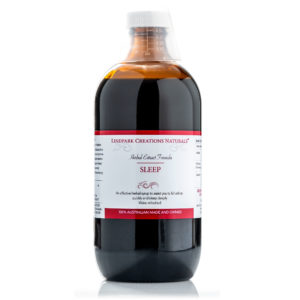

Description
Californian Poppy (Eschscholzia californica) is a traditional herbal medicine valued for its calming and supportive effects on the nervous system. It contains isoquinoline alkaloids, including protopine and californidine, which are associated with analgesic effects.
Like the opium poppy (Papaver somniferum), Californian Poppy contains some benzylisoquinoline alkaloids. However, its overall effects are considered mild and it does not have the narcotic or addictive properties associated with the more powerful alkaloids found in opium poppy.
What Californian Poppy May Support
Californian Poppy is traditionally used to support:
- Anxiety and nervous tension
- Restful sleep and insomnia
- Nervous system pain, including sciatica pain, nervous tension headaches and chronic pain
- Pain management, particularly when pain is described as hot and throbbing
- Nervous system support during opiate withdrawal
- Bedwetting associated with nervous tension
- Fever and associated aches
- Hot, spasmodic coughs and aches associated with influenza and other bronchial conditions
Key Constituents
Californian Poppy contains isoquinoline alkaloids, including californidine, protopine and escholzine. These constituents contribute to the herb’s traditional analgesic and nervous-system actions.
Energetics: Bitter, cooling.
Important Information
Avoid using Californian Poppy during pregnancy.
Caution is advised when using Californian Poppy with powerful analgesics, benzodiazepines or other central nervous system depressants, as these may interact with its sedative effects.
Read More: Californian Poppy (Eschscholzia californica)_Summary