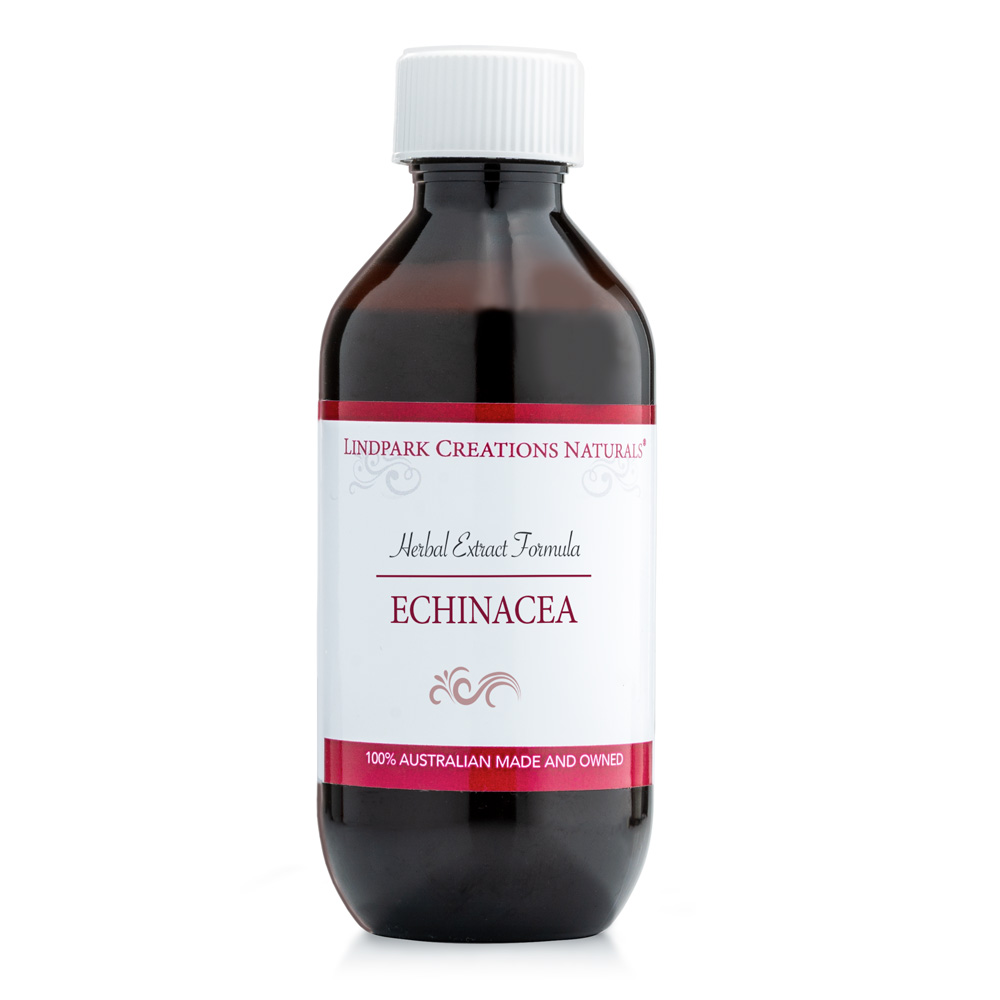
Description
Echinacea (Echinacea purpurea, Echinacea angustifolia)
Echinacea is a traditional herbal medicine with a long history of use for immune and lymphatic support. Both Echinacea purpurea and Echinacea angustifolia have been used traditionally, with the root of Echinacea angustifolia historically valued by Eclectic practitioners for supporting the body during infections and for infected wounds and mucous membranes.
Echinacea has traditionally been used as an immunomodulator, lymphatic, alterative, antimicrobial, vulnerary and circulatory stimulant. It is particularly valued for supporting the body’s natural response to infections and for topical and internal applications involving wounds, mucous membranes and inflammatory skin conditions.
What Echinacea May Support
Echinacea has traditionally been used to support:
- Healthy immune function and the body’s natural response to infection
- Upper respiratory health, including the common cold, influenza, sinus, throat and lung infections
- Healthy lymphatic function, particularly where there are swollen glands
- Recovery from viral, bacterial and parasitic infections
- Healing of infected wounds, boils, abscesses and other skin concerns
- Healthy skin, including acne, dermatitis and psoriasis
- Mouth and mucous membrane health
- Urinary tract and vaginal wellbeing
- Healthy temperature regulation during fevers
- Circulatory function
- The body’s natural inflammatory and antioxidant balance
- Support alongside conventional treatment to reduce chemotherapy and radiation-associated side effects
Echinacea has traditionally been used for its immunomodulatory, antimicrobial, anti-inflammatory, antioxidant and circulatory effects. Its traditional applications include respiratory infections, infected wounds, skin concerns, mucous membrane health and other infectious conditions.
Key Constituents
Echinacea contains a range of naturally occurring compounds, including polysaccharides, caffeic acid derivatives, alkylamides, essential oils, vitamins, minerals, fatty acids, resins, glycoproteins and sterols.
Important Information
Echinacea is generally considered well tolerated, although allergic reactions are possible in rare cases.
It is contraindicated in people with known allergies to plants of the Asteraceae (Compositae) family, including chamomile and ragweed.
People being treated for autoimmune diseases should use caution due to echinacea’s immune-stimulating effects.
Echinacea should be avoided with antineoplastic medicines, such as etoposide, and with asthma or atopic medication. Caution is also advised with cyclophosphamide, warfarin and immunosuppressant medicines.
Echinacea is generally considered safe during pregnancy when used at recommended doses.
If you take prescription medicines, are undergoing chemotherapy or immunosuppressive treatment, or have an existing medical condition, seek advice from a qualified healthcare practitioner before use.
For more detailed information about Echinacea, including its traditional uses, constituents, research and clinical considerations, please see the full herbal monograph.
Read More: Echinacea (Echinacea purpurea, Echinacea angustifolia)_Summary