Description
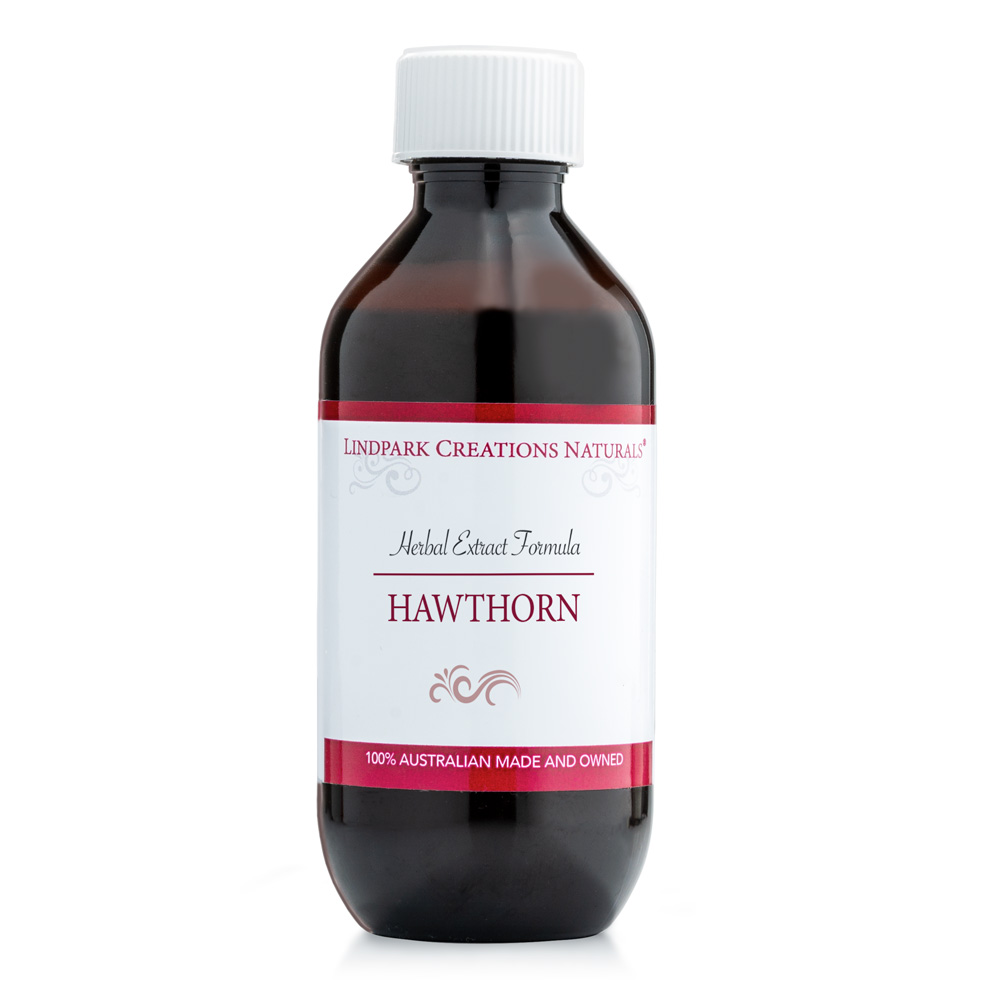
Hawthorn (Crataegus monogyna)
Hawthorn is a traditional herbal medicine with a long history of use for heart and cardiovascular health. It has been valued by herbal practitioners for its heart-strengthening properties and is also known in Traditional Chinese Medicine.
Hawthorn has traditionally been used as a cardiotonic, cardioprotective, hypotensive and antioxidant herb. It has been used to support heart function and circulation, particularly in cases of heart weakness and cardiovascular concerns.
Hawthorn Berries provide us with one of the best tonic remedies for the heart and circulatory system. They act in a normalising way upon the heart by either stimulating or depressing its activity depending upon the need.
In other words, Hawthorn Berries will move the heart to normal function in a gentle way.
As a long term treatment they may safely be used in heart failure or weakness. They can similarly be used in cases of palpitations.
As a tonic for the circulatory system, they find their primary use in the treatment of high blood pressure, arteriosclerosis and angina pectoris.
Whilst they can be very effective in aiding these conditions, qualified attention is essential.
What Hawthorn May Support
Hawthorn has traditionally been used to support:
- Healthy heart function and cardiovascular wellbeing
- Heart strength and function in cases of heart weakness
- Healthy blood pressure
- Cardiovascular circulation
- Healthy cholesterol and lipid levels
- Angina and palpitations
- Healthy connective tissue
- Healthy capillary strength and integrity
- Joint connective tissue and collagen health
Hawthorn has been shown to have a range of effects on the heart and is used as a prescription medicine for heart failure in Germany.
Key Constituents
Hawthorn contains a range of naturally occurring compounds, including flavonoids, oligomeric proanthocyanidins (OPCs), phenolic acids, tocopherols, ascorbic acid, tannins, saponins and triterpenes. Notable constituents include procyanidin B2, catechin, epicatechin, rutin, hyperoside, vitexin rhamnoside and vitexin.
Important Information
Hawthorn is considered cooling and drying.
Hawthorn should not be used during pregnancy until safety is established.
Heart disease can be a very serious medical condition with a rapidly changing course and should not be treated without close medical supervision. Chest pain and shortness of breath are extremely serious symptoms that require immediate medical attention.
Hawthorn should be avoided with nitrates and phosphodiesterase-5 inhibitors, such as sildenafil. Caution is advised when using Hawthorn alongside antihypertensive medicines.
There may be beneficial interactions with digoxin and other cardiac glycosides, diuretics, doxorubicin and lipid-lowering medicines; however, these interactions should be considered under appropriate medical supervision.
If you take prescription medicines or have an existing heart or cardiovascular condition, seek advice from a qualified healthcare practitioner before use.
For more detailed information about Hawthorn, including its traditional uses, constituents, research and clinical considerations, please see the full herbal monograph.
Read More: Hawthorn (Crataegus monogyna)_Summary