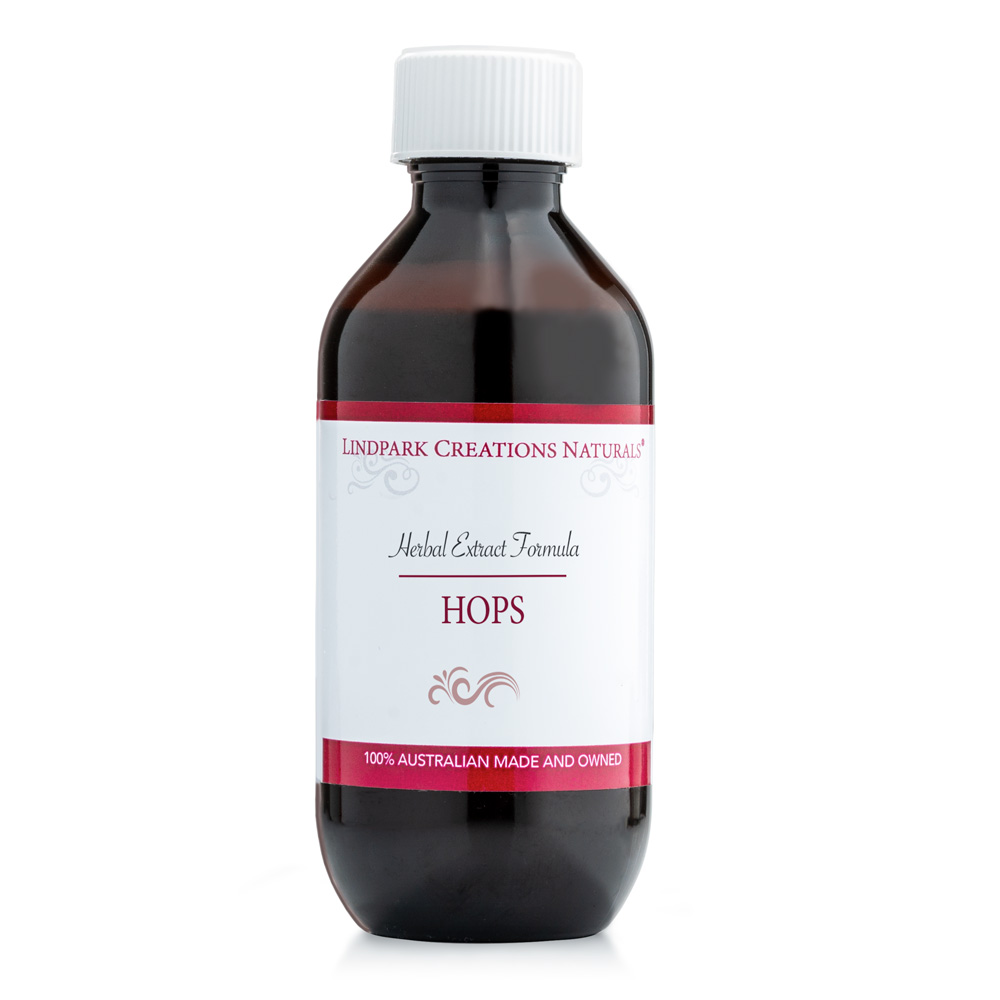
Hops (Humulus lupulus) 200mL

$79.50

Hops (Humulus lupulus) is traditionally used for relief of sleeplessness (mild), mild anxiety, neuralgia, headache, indigestions and lack of appetite.

Hops is a traditional herbal medicine valued also for its sedative, nervine, hormone-modulating and bitter tonic properties. It is traditionally used to support restful sleep, relaxation, digestive comfort and women’s hormonal wellbeing, particularly during menopause.

Hops has traditionally been used to support:

  • Healthy sleep and relaxation
  • Anxiety, restlessness and nervous tension
  • Panic attacks
  • Healthy appetite and nervous digestion
  • Digestive comfort, including dyspepsia, indigestion and irritable bowel syndrome
  • Neuralgia and tension headaches
  • Women’s hormonal wellbeing during menopause

Description

Hops (Humulus lupulus)

Hops, also known as Humulus lupulus, is a climbing herb best known for providing the bitter flavour in beer. It has been used since ancient times in many different cultures, including China, India and North America. Although hops is botanically related to cannabis, it is not pharmacologically related to it.

Hops has traditionally been valued for its calming, sedative, nervine and bitter tonic properties. It is particularly used to support relaxation and sleep, while also traditionally supporting digestive comfort and healthy hormonal wellbeing.

Hops is a remedy that has a marked relaxing effect upon the central nervous system. ย It is used extensively for the treatment of insomnia.

It will ease tension and anxiety, and may be used where the tension leads to restlessness, headache and possibly indigestion.

As an astringent with these relaxing properties, it can be used in conditions such as mucus colitis.

Hops should, however, be avoided where there is a marked degree of depression as this may be accentuated.

Externally, the antiseptic action is utilised for the treatment of ulcers.

What Hops May Support

Hops has traditionally been used to support:

  • Healthy sleep and relaxation, particularly in cases of insomnia
  • Nervous system wellbeing, including anxiety, restlessness and panic attacks
  • Healthy digestive function, including dyspepsia and indigestion
  • Digestive comfort associated with irritable bowel syndrome
  • Healthy appetite and nervous digestion
  • Neuralgia and tension headaches
  • Women’s hormonal wellbeing during menopause
  • Healthy hormonal balance

Key Constituents

Hops contains a range of naturally occurring compounds, including resinous bitter principles, condensed tannins, volatile oils, polysaccharides, flavonoids, phenolic acids, amino acids and catechins. Its bitter constituents include alpha-bitter acids such as humulone, cohumulone and adhumulone, and beta-bitter acids including lupulone, colupulone and adlupulone. Other notable constituents include xanthohumol, isoxanthohumol, kaempferol, quercetin and rutin, as well as catechins such as catechin gallate and epicatechin gallate.

Important Information

Hops is traditionally considered bitter, cold and dry.

Caution is advised during pregnancy because of its possible hormonal effects.

People with oestrogen-dependent tumours should use caution with hops.

Hops may have sedative effects. Caution is advised when using it alongside central nervous system depressant medicines and alcohol.

People taking oral contraceptives, hormone replacement therapy or antioestrogenic medicines should seek professional advice and be monitored when using hops.

If you take prescription medicines, have an existing medical condition or have a condition affected by hormonal activity, seek advice from a qualified healthcare practitioner before use.

For more detailed information about Hops, including its traditional uses, constituents, research and clinical considerations, please see the full herbal monograph.

Read More: Hops (Humulus lupulus)_Summary
Additional information

Directions for use:

Adults: 7.5 mLs 2 x day with food or after food

Children (6-12 years): 1 x day with or after food

*Not to be used in children under 5 years of age

Actions

  • Phytoestrogenic
  • Hormone modulator
  • Hypnotic
  • Nervine
  • Sedative
  • Anxiolytic
  • Antispasmodic
  • Bitter tonic

Indications

  • Insomnia
  • Anxiety, restlessness and panic attacks
  • Anorexia and nervous dyspepsia
  • Neuralgia
  • Tension headaches
  • Menopause
  • Dyspepsia and indigestion
  • Irritable bowel syndrome

Click Here for a Quick Free Call to our Naturopath and have your Question Answered:

Hops (Humulus lupulus) 200mL

$79.50

Hops (Humulus lupulus) is traditionally used for relief of sleeplessness (mild), mild anxiety, neuralgia, headache, indigestions and lack of appetite.

Hops is a traditional herbal medicine valued also for its sedative, nervine, hormone-modulating and bitter tonic properties. It is traditionally used to support restful sleep, relaxation, digestive comfort and women’s hormonal wellbeing, particularly during menopause.

Hops has traditionally been used to support:

  • Healthy sleep and relaxation
  • Anxiety, restlessness and nervous tension
  • Panic attacks
  • Healthy appetite and nervous digestion
  • Digestive comfort, including dyspepsia, indigestion and irritable bowel syndrome
  • Neuralgia and tension headaches
  • Women’s hormonal wellbeing during menopause

Description

Hops (Humulus lupulus)

Hops, also known as Humulus lupulus, is a climbing herb best known for providing the bitter flavour in beer. It has been used since ancient times in many different cultures, including China, India and North America. Although hops is botanically related to cannabis, it is not pharmacologically related to it.

Hops has traditionally been valued for its calming, sedative, nervine and bitter tonic properties. It is particularly used to support relaxation and sleep, while also traditionally supporting digestive comfort and healthy hormonal wellbeing.

Hops is a remedy that has a marked relaxing effect upon the central nervous system. ย It is used extensively for the treatment of insomnia.

It will ease tension and anxiety, and may be used where the tension leads to restlessness, headache and possibly indigestion.

As an astringent with these relaxing properties, it can be used in conditions such as mucus colitis.

Hops should, however, be avoided where there is a marked degree of depression as this may be accentuated.

Externally, the antiseptic action is utilised for the treatment of ulcers.

What Hops May Support

Hops has traditionally been used to support:

  • Healthy sleep and relaxation, particularly in cases of insomnia
  • Nervous system wellbeing, including anxiety, restlessness and panic attacks
  • Healthy digestive function, including dyspepsia and indigestion
  • Digestive comfort associated with irritable bowel syndrome
  • Healthy appetite and nervous digestion
  • Neuralgia and tension headaches
  • Women’s hormonal wellbeing during menopause
  • Healthy hormonal balance

Key Constituents

Hops contains a range of naturally occurring compounds, including resinous bitter principles, condensed tannins, volatile oils, polysaccharides, flavonoids, phenolic acids, amino acids and catechins. Its bitter constituents include alpha-bitter acids such as humulone, cohumulone and adhumulone, and beta-bitter acids including lupulone, colupulone and adlupulone. Other notable constituents include xanthohumol, isoxanthohumol, kaempferol, quercetin and rutin, as well as catechins such as catechin gallate and epicatechin gallate.

Important Information

Hops is traditionally considered bitter, cold and dry.

Caution is advised during pregnancy because of its possible hormonal effects.

People with oestrogen-dependent tumours should use caution with hops.

Hops may have sedative effects. Caution is advised when using it alongside central nervous system depressant medicines and alcohol.

People taking oral contraceptives, hormone replacement therapy or antioestrogenic medicines should seek professional advice and be monitored when using hops.

If you take prescription medicines, have an existing medical condition or have a condition affected by hormonal activity, seek advice from a qualified healthcare practitioner before use.

For more detailed information about Hops, including its traditional uses, constituents, research and clinical considerations, please see the full herbal monograph.

Read More: Hops (Humulus lupulus)_Summary
Additional information

Directions for use:

Adults: 7.5 mLs 2 x day with food or after food

Children (6-12 years): 1 x day with or after food

*Not to be used in children under 5 years of age

Actions

  • Phytoestrogenic
  • Hormone modulator
  • Hypnotic
  • Nervine
  • Sedative
  • Anxiolytic
  • Antispasmodic
  • Bitter tonic

Indications

  • Insomnia
  • Anxiety, restlessness and panic attacks
  • Anorexia and nervous dyspepsia
  • Neuralgia
  • Tension headaches
  • Menopause
  • Dyspepsia and indigestion
  • Irritable bowel syndrome