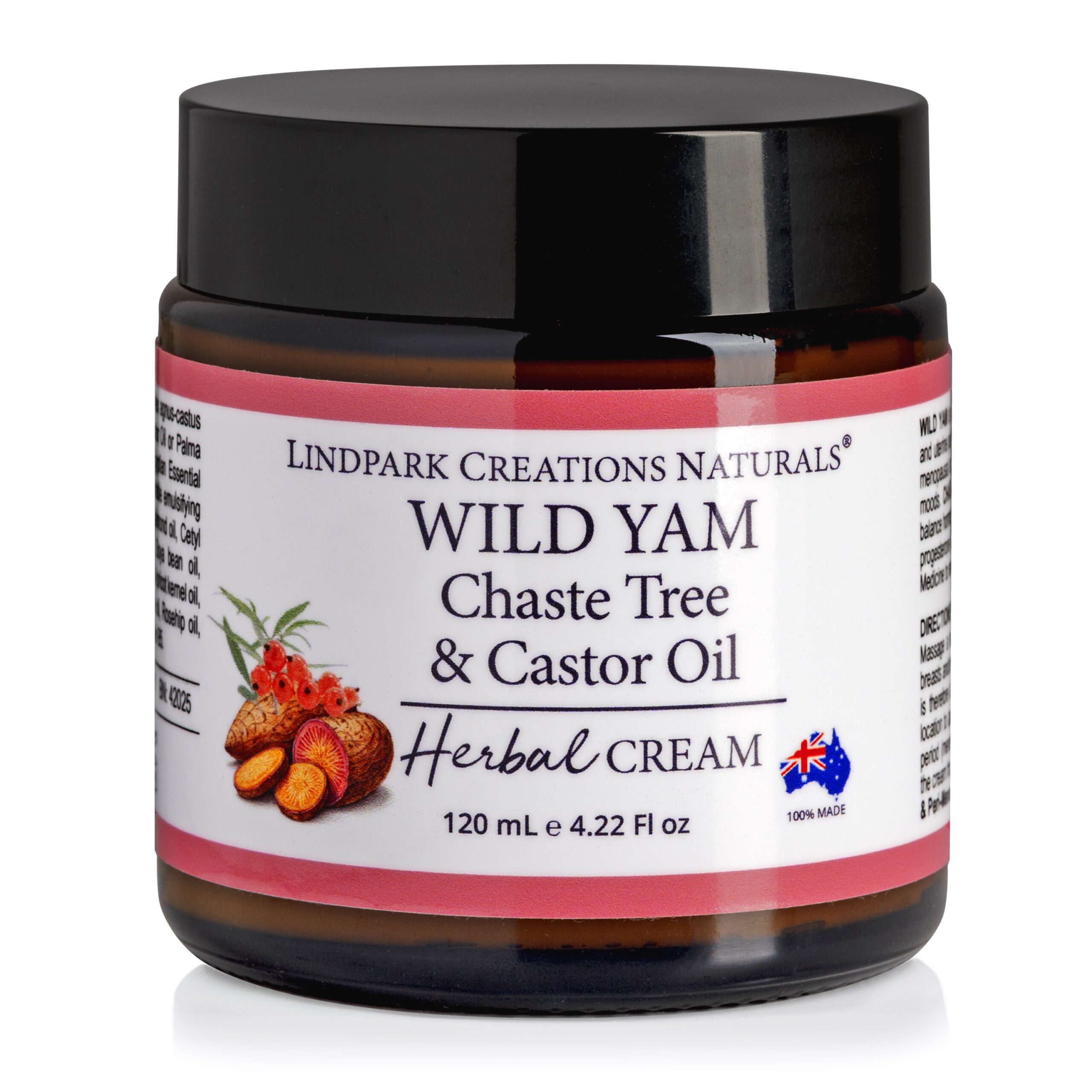
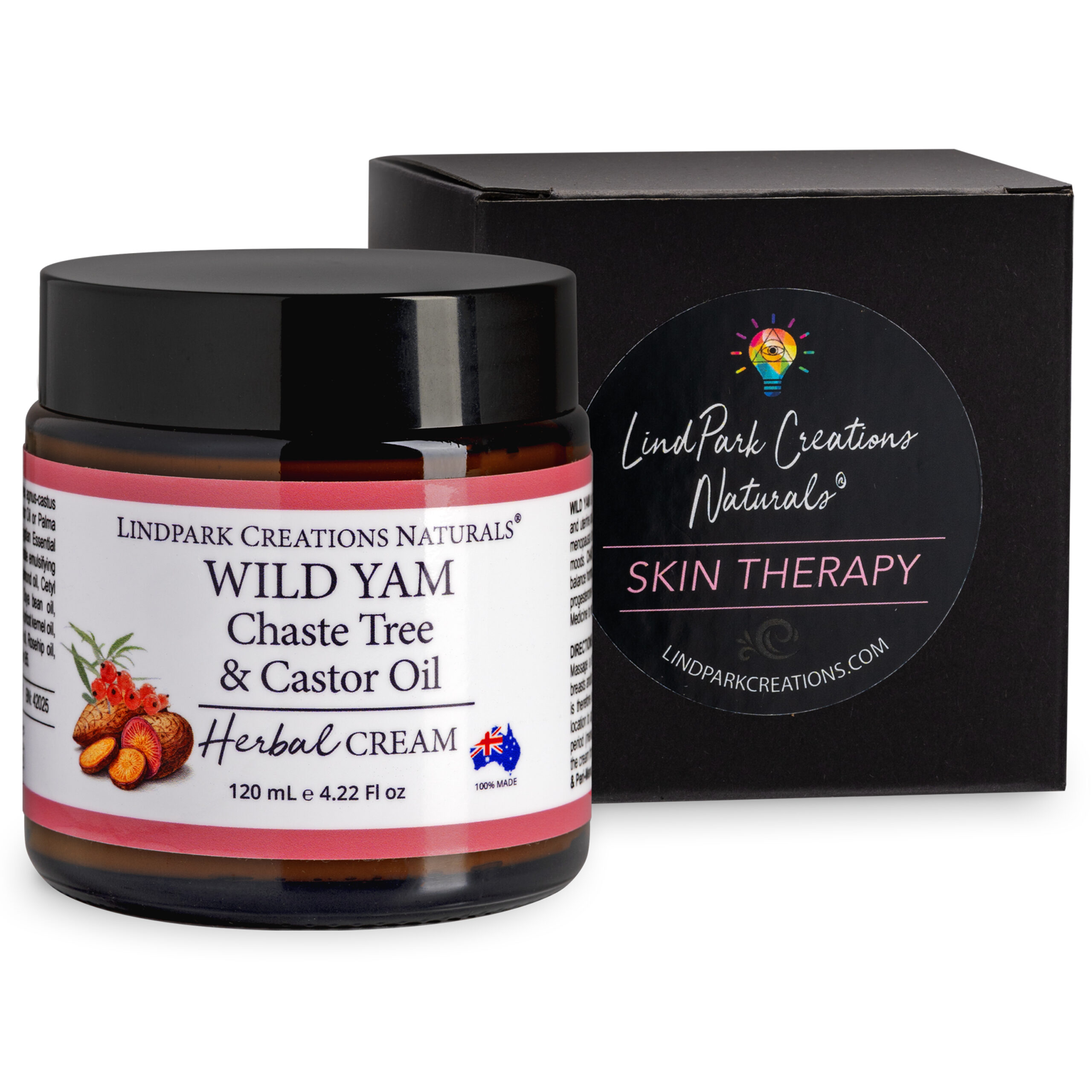
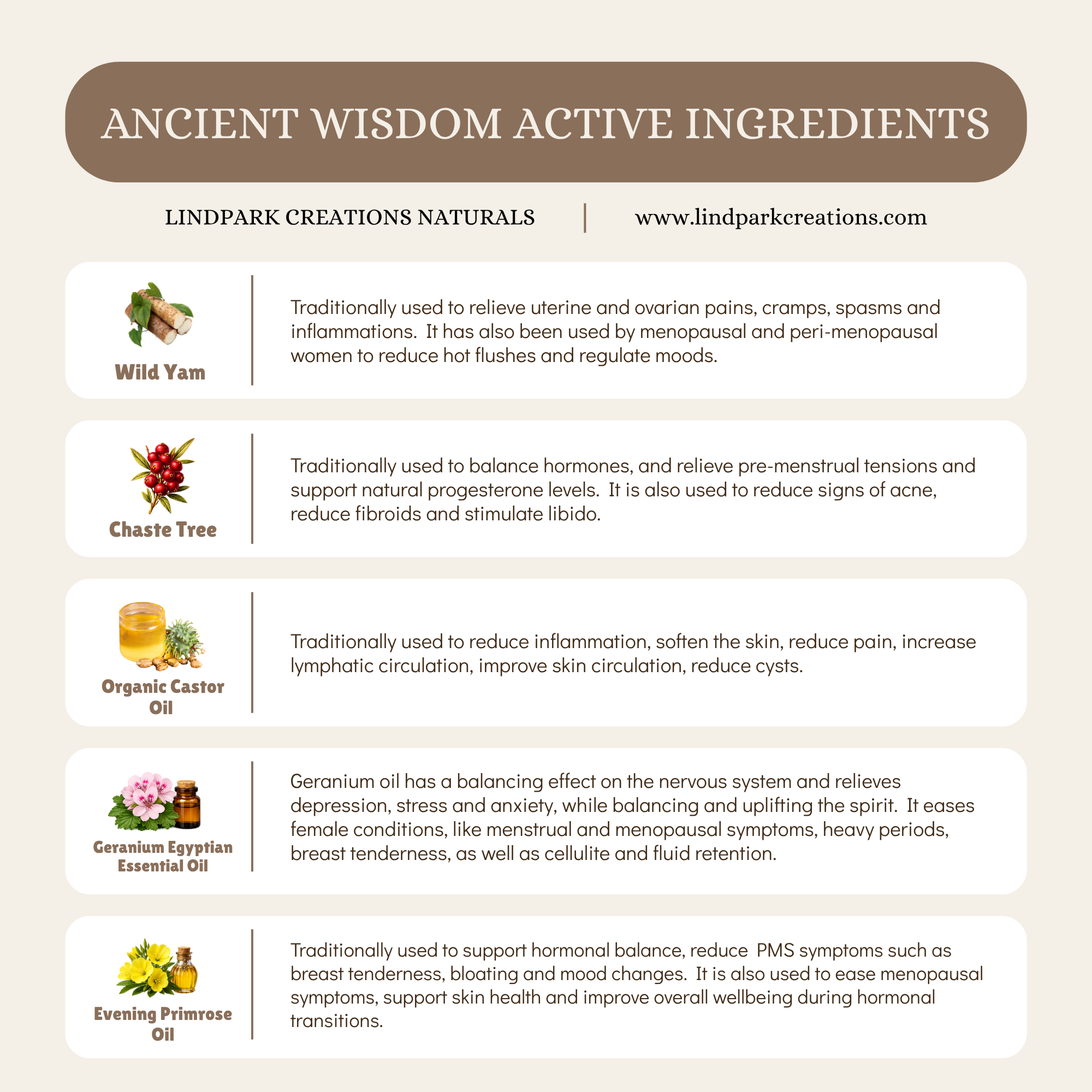
Wild Yam - Dioscorea villosa
Traditional Herb Actions
• Hormone Modulator
• Anti-inflammatory
• Antispasmodic
• Antirheumatic
• Bitter
Traditional Herbal Indications
• Menopausal symptoms
• Menstrual cramping, female infertility, ovarian pain
• Gastrointestinal spasm including diverticulitis, irritable bowel syndrome, inflammatory conditions of the gastrointestinal tract, reduces the inflammation and pain associated with intestinal cramping as part of inflammatory bowel disease, flatulence, diverticulitis, nausea, vomiting
• Rheumatoid arthritis
Traditional Use
For centuries herbalists have been using wild yam to treat menstrual cramps and problems related to childbirth, as well as for upset stomach and coughs. In the 1940s the roots of wild yam were discovered to be an important source of diosgenin, a plant steroidal saponin that scientists can manipulate to produce steroids such as progesterone, oestrogen, cortisone and
dehydroepiandrosterone (DHEA), which are then used for medical purposes. Diosgenin was used as starting material for the synthesis of a highly potent and orally active progestational agent which was the key ingredient in the first birth control pills in the 1960s.
Constituents
Steroidal saponins (diosgenin), vitamin C, beta-carotene, vitamins
B1, B2, B3, iron, magnesium, potassium, selenium, zinc, polyphenols
Contraindications and Cautions
None known.
Chaste Tree (Vitex agnes castus)
Traditional Herbal Actions
• Hormone Regulator
• Female Tonic
• Uterine Tonic
• Galactagogue
Traditional Herbal Indications
- Menstrual disorders including:
- Irregularities of the menstrual cycle
- Infertility
- Habitual miscarriage
- Symptoms of premenstrual syndrome and/or menopause
- Hormonally induced acne (in both sexes)
- Cyclical breast pain and benign breast disorders
- Ovarian cysts
- Fibroids
- Endometriosis
- Latent hyperprolactinaemia
- Polycystic ovary syndrome (PCOS)
- To help re-establish the cycle after use of the contraceptive pill
- To aid the expulsion of the placenta after birth
- Postnatal depression
- Fibromyalgia
- Hypothyroidism
- Restless leg syndrome
- Sleep maintenance insomnia
- Lactation support (low doses only)
Traditional Use
Chaste tree has been called the “most archetypal” of all female reproductive herbs.
Constituents
Essential oils, iridoid glycosides, diterpines, flavonoids, terpenoids, neolignans, phenolic compounds, glyceride and essential fatty acids.