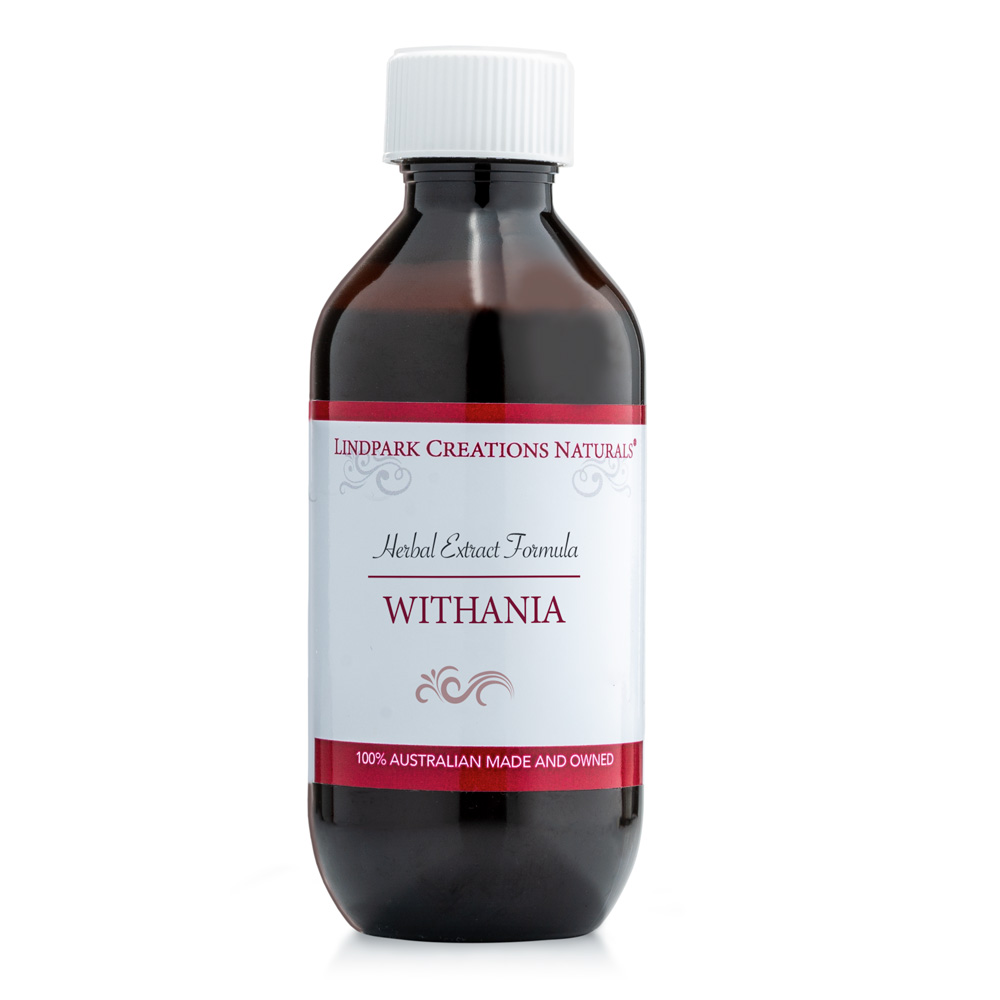
Description
Ashwagandha (Withania somnifera)
Ashwagandha, also known as Withania or Indian Ginseng, is a traditional Ayurvedic herb that has been valued for thousands of years as a rasayana — a restorative herb traditionally used to support vitality, resilience and overall wellbeing. The root is the primary part used medicinally.
Ashwagandha is particularly known as an adaptogen, helping the body adapt to physical and emotional stress. Traditionally, it has been used during periods of stress, nervous exhaustion, fatigue, weakness and reduced vitality. It is also valued for supporting calmness, restful sleep, mental clarity, healthy ageing and reproductive wellbeing.
What Ashwagandha May Support
Ashwagandha has traditionally been used to support:
- The body’s natural response to stress and nervous tension
- Calmness and relaxation, including healthy sleep patterns
- Energy, stamina and resilience during periods of fatigue or exhaustion
- Mental clarity, concentration and memory
- Healthy reproductive function and libido
- General vitality and wellbeing, particularly during periods of physical or mental depletion
- Healthy inflammatory and antioxidant balance
- Healthy immune function and the body’s natural defences
Modern research has investigated Ashwagandha for stress and anxiety, sleep, cognitive function, physical performance, reproductive health, healthy ageing and other areas of wellbeing. Research has also explored its adaptogenic, antioxidant, anti-inflammatory and immunomodulatory properties. While findings are promising in some areas, further research is needed to establish its effectiveness for specific health conditions.
Key Constituents
Ashwagandha contains a variety of naturally occurring compounds, including alkaloids, steroidal lactones, saponins and phytosterols. Its best-known compounds are the withanolides, including withaferin A and withanolide D, which are commonly used as quality markers for Withania preparations.
Important Information
Ashwagandha is generally well tolerated when used appropriately, but may cause gastrointestinal irritation in some individuals. Use caution if you have a peptic ulcer or are sensitive to plants in the Solanaceae (nightshade) family.
Ashwagandha may interact with medicines that have sedative or central nervous system effects, as well as medicines affecting blood sugar, blood pressure or immune function. Caution is also recommended when taking thyroid medications or other thyroid-related treatments, as Ashwagandha may influence thyroid hormone levels.
Pregnancy should be discussed with a qualified healthcare practitioner before using Ashwagandha. Traditional Ayurvedic use differs from Western safety recommendations, which advise caution during pregnancy, particularly with higher doses.
If you take prescription medication, have an existing health condition, or are under medical supervision, consult a qualified healthcare practitioner before use.
For more detailed information about Ashwagandha, including its traditional uses, constituents, research and clinical considerations, please see the full herbal monograph.
Read more: Ashwagandha (Withania somnifera)_1
Read more: Ashwagandha (Withania somnifera)_2