
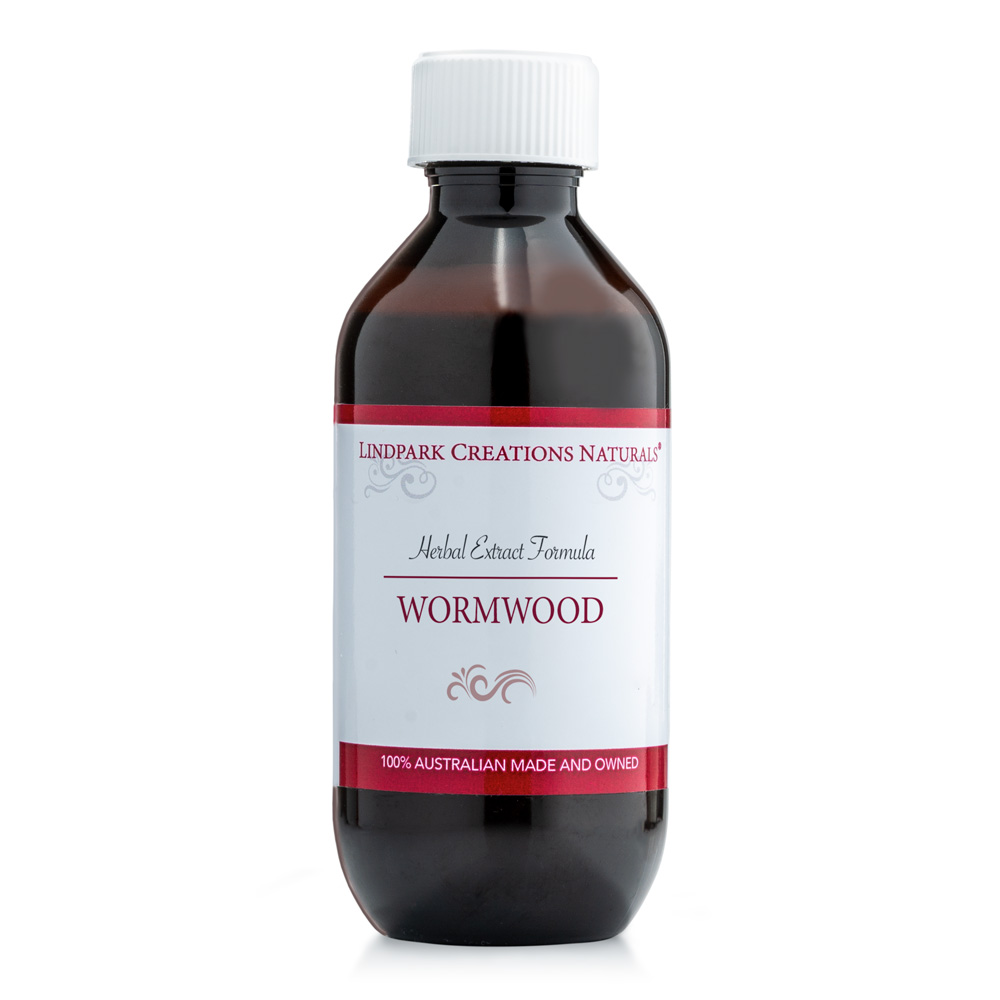
Wormwood (Artemisia annua) 200mL

$79.50

Wormwood (Artemisia annua) is traditionally used for lack of appetite, indigestion, flatulence, and to support the elimination of parasitic worms from the gut.

Wormwood has traditionally been used to support:

  • Healthy appetite and digestion
  • Indigestion and flatulence
  • Intestinal wellbeing and worm infestations
  • Healthy liver and bile function
  • Fever and infection support
  • Respiratory comfort
  • Menstrual and reproductive wellbeing
  • Healthy inflammatory balance

Description

Wormwood (Artemisia absinthium)

Wormwood is a traditional herbal medicine valued for its bitter tonic, digestive and bile-supporting properties. It has a long history of use in herbal medicine and is also known as the main ingredient in the highly alcoholic French spirit, absinthe.

Wormwood has traditionally been used to support healthy digestion, appetite and intestinal wellbeing. It has also been used for intestinal worm infestations, fever and infections, as well as women’s reproductive concerns involving delayed or suppressed menstruation.

Traditionally, Wormwood has been used in a wide range of conditions, most of which have been vindicated by analysis of the herb.

It is primarily used as a bitter and therefore has the effect of stimulating and invigorating the whole of the digestive process.

It may be used where there is indigestion, especially when due to a deficient quantity or quality of gastric juice.

Wormwood is a powerful remedy in the treatment of worm infestations, especially round worm and pinworm.

It may also be used to help the body deal with fever and infections.

Due to the general tonic action it will be of benefit in many diverse conditions because it benefits the body in general.

What Wormwood May Support

Wormwood has traditionally been used to support:

  • Healthy appetite and digestive function
  • Digestive comfort, including indigestion and flatulence
  • Intestinal wellbeing and comfort associated with Crohnโ€™s disease
  • Healthy intestinal balance in cases of worm infestations, particularly roundworm and pinworm
  • Healthy liver and bile function
  • Respiratory comfort through its expectorant properties
  • Healthy inflammatory balance
  • Fever and infection support
  • Healthy fluid balance around the time of menstruation
  • Menstrual and reproductive wellbeing

Key Constituents

Wormwood contains naturally occurring compounds, including essential oils such as thujone, bitter sesquiterpene lactones, absinthin isomers, bitter compounds such as artemisinin, phenolic acids, flavonoids and coumarins.

Important Information

Wormwood is traditionally described as having cooling, warming and dry energetics.

Wormwood is contraindicated during pregnancy. It should not be taken continuously for longer than three to four weeks.

Wormwood is contraindicated in people with gastric or duodenal ulcers or a known sensitivity to wormwood or plants in the Asteraceae (Compositae) family.

Caution is advised when using wormwood alongside anticonvulsant medicines.

If you take prescription medicines, have an existing medical condition or have a known allergy to the Asteraceae family, seek advice from a qualified healthcare practitioner before use.

For more detailed information about Wormwood, including its traditional uses, constituents, research and clinical considerations, please see the full herbal monograph.

Read More: Wormwood (Artemisia annua)_Summary
Additional information

Directions for use:

Adults: 7.5 mLs 2 x day with food or after food

Children (6-12 years): 1 x day with or after food

*Not to be used in children under 5 years of age

Actions

  • Bitter Tonic
  • Carminative
  • Anthelmintic
  • Cholagogue
  • Choleretic
  • Expectorant
  • Anti-inflammatory
  • Antipyretic
  • Hepatoprotective

Indications

  • Lack of appetite
  • Indigestion
  • Flatulence
  • Crohnโ€™s disease
  • Intestinal worm infestations, particularly:
    • Roundworm
    • Pinworm
  • Fever and infections
  • Menstrual concerns involving delayed or suppressed menstruation
  • Fluid retention around the time of menstruation

Click Here for a Quick Free Call to our Naturopath and have your Question Answered:

Wormwood (Artemisia annua) 200mL

$79.50

Wormwood (Artemisia annua) is traditionally used for lack of appetite, indigestion, flatulence, and to support the elimination of parasitic worms from the gut.

Wormwood has traditionally been used to support:

  • Healthy appetite and digestion
  • Indigestion and flatulence
  • Intestinal wellbeing and worm infestations
  • Healthy liver and bile function
  • Fever and infection support
  • Respiratory comfort
  • Menstrual and reproductive wellbeing
  • Healthy inflammatory balance

Description

Wormwood (Artemisia absinthium)

Wormwood is a traditional herbal medicine valued for its bitter tonic, digestive and bile-supporting properties. It has a long history of use in herbal medicine and is also known as the main ingredient in the highly alcoholic French spirit, absinthe.

Wormwood has traditionally been used to support healthy digestion, appetite and intestinal wellbeing. It has also been used for intestinal worm infestations, fever and infections, as well as women’s reproductive concerns involving delayed or suppressed menstruation.

Traditionally, Wormwood has been used in a wide range of conditions, most of which have been vindicated by analysis of the herb.

It is primarily used as a bitter and therefore has the effect of stimulating and invigorating the whole of the digestive process.

It may be used where there is indigestion, especially when due to a deficient quantity or quality of gastric juice.

Wormwood is a powerful remedy in the treatment of worm infestations, especially round worm and pinworm.

It may also be used to help the body deal with fever and infections.

Due to the general tonic action it will be of benefit in many diverse conditions because it benefits the body in general.

What Wormwood May Support

Wormwood has traditionally been used to support:

  • Healthy appetite and digestive function
  • Digestive comfort, including indigestion and flatulence
  • Intestinal wellbeing and comfort associated with Crohnโ€™s disease
  • Healthy intestinal balance in cases of worm infestations, particularly roundworm and pinworm
  • Healthy liver and bile function
  • Respiratory comfort through its expectorant properties
  • Healthy inflammatory balance
  • Fever and infection support
  • Healthy fluid balance around the time of menstruation
  • Menstrual and reproductive wellbeing

Key Constituents

Wormwood contains naturally occurring compounds, including essential oils such as thujone, bitter sesquiterpene lactones, absinthin isomers, bitter compounds such as artemisinin, phenolic acids, flavonoids and coumarins.

Important Information

Wormwood is traditionally described as having cooling, warming and dry energetics.

Wormwood is contraindicated during pregnancy. It should not be taken continuously for longer than three to four weeks.

Wormwood is contraindicated in people with gastric or duodenal ulcers or a known sensitivity to wormwood or plants in the Asteraceae (Compositae) family.

Caution is advised when using wormwood alongside anticonvulsant medicines.

If you take prescription medicines, have an existing medical condition or have a known allergy to the Asteraceae family, seek advice from a qualified healthcare practitioner before use.

For more detailed information about Wormwood, including its traditional uses, constituents, research and clinical considerations, please see the full herbal monograph.

Read More: Wormwood (Artemisia annua)_Summary
Additional information

Directions for use:

Adults: 7.5 mLs 2 x day with food or after food

Children (6-12 years): 1 x day with or after food

*Not to be used in children under 5 years of age

Actions

  • Bitter Tonic
  • Carminative
  • Anthelmintic
  • Cholagogue
  • Choleretic
  • Expectorant
  • Anti-inflammatory
  • Antipyretic
  • Hepatoprotective

Indications

  • Lack of appetite
  • Indigestion
  • Flatulence
  • Crohnโ€™s disease
  • Intestinal worm infestations, particularly:
    • Roundworm
    • Pinworm
  • Fever and infections
  • Menstrual concerns involving delayed or suppressed menstruation
  • Fluid retention around the time of menstruation