

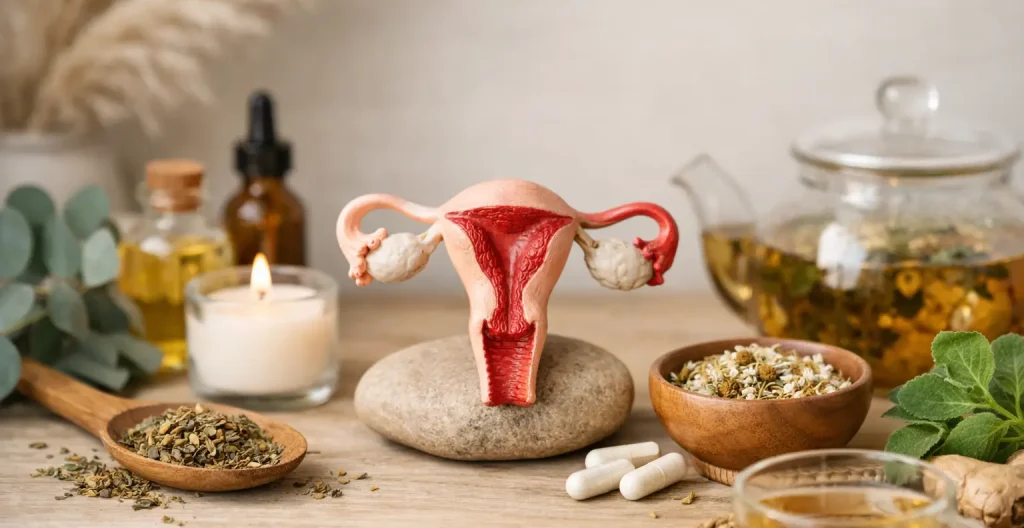

When pelvic pain starts running your calendar, draining your energy and affecting your mood, work and relationships, you know this is far more than a “bad period”. For many women, searching for endometriosis natural treatment options begins after years of feeling dismissed, overmedicated, or told to simply manage the pain. That is often the moment the deeper question appears – what is driving the inflammation, hormone disruption and immune stress underneath it all?
Endometriosis is complex. It involves tissue similar to the uterine lining growing outside the uterus, but the lived experience goes well beyond that definition. Pain can show up during menstruation, ovulation, sex, bowel motions or urination. There may be bloating, fatigue, headaches, low iron, digestive issues, mood shifts and fertility challenges. No single natural therapy fixes all of this for every woman. Real progress usually comes from addressing the terrain of the body as a whole.
How endometriosis natural treatment options can help
Natural treatment is not about pretending endometriosis is simple. It is about supporting the body in ways that may reduce inflammatory load, improve hormone metabolism, calm the nervous system and strengthen resilience. For some women, this works alongside medical treatment. For others, it becomes an essential part of managing symptoms when conventional care has not brought enough relief.
The most important thing to understand is that endometriosis is highly individual. Two women can share the same diagnosis and have completely different triggers, symptoms and healing needs. One may have obvious oestrogen excess signs such as breast tenderness, clotting and heavy bleeding. Another may have more gut-driven inflammation, histamine issues or a strong stress component. If you find the cause, you find the cure – or at the very least, you find the right direction.
Start with inflammation, not just hormones
Hormones matter, but inflammation is often the fire feeding the condition. When inflammatory pathways stay switched on, pain tends to intensify and tissues can become more reactive. This is why anti-inflammatory nutrition is often one of the first and most powerful places to begin.
That does not mean a harsh elimination diet forever. It means paying attention to what your body is telling you. Many women do better when they reduce highly processed foods, excess sugar, alcohol and inflammatory seed oils, while building meals around quality protein, vegetables, healthy fats, fibre and mineral-rich wholefoods. Some also notice improvements when dairy or gluten are removed for a trial period, but this is not universal. The point is not restriction for restriction’s sake. The point is reducing what aggravates the system and increasing what nourishes it.
Omega-3 fats, colourful plant foods, herbs and spices such as turmeric and ginger, and steady blood sugar support can all play a role. When blood sugar swings wildly, cortisol and inflammation often follow. Stable meals can help create a calmer internal environment.
Supporting oestrogen clearance matters
One of the most relevant endometriosis natural treatment options is improving how the body processes and clears oestrogen. Endometriosis is often associated with oestrogen dominance, which does not always mean your blood levels are dramatically high. It can also mean your body is producing, recycling or responding to oestrogen in a way that drives symptoms.
The liver and bowel are central here. If detoxification pathways are sluggish or bowel motions are infrequent, used hormones can be reabsorbed rather than eliminated. This is one reason gut health and hormone health are never separate conversations in clinic.
Daily fibre, adequate hydration, bitter foods, cruciferous vegetables and targeted practitioner prescribing can support healthier oestrogen metabolism. Some women benefit from specific nutrients and herbs, but the choice should match the person. If periods are heavy and iron is low, support needs to be different from someone whose main issue is severe bloating and constipation. Natural medicine works best when it is personalised, not copied from a social media post.
Gut health is often part of the picture
Many women with endometriosis also experience bloating, food reactions, constipation, diarrhoea or irritable bowel symptoms. Sometimes this is due to endometrial lesions affecting the bowel. Sometimes it reflects a broader issue with gut integrity, microbiome imbalance or chronic immune activation.
When the gut is inflamed, the entire body can feel more inflamed. Immune signalling changes. Nutrient absorption can suffer. Oestrogen recirculation can increase. Histamine can become a problem. This is why a root-cause approach often includes careful attention to digestive function, microbial balance and bowel regularity.
It depends on the person whether the answer is soothing and repairing the gut lining, reducing fermentable foods for a period, treating dysbiosis, or simply getting someone to finally chew, rest and eat in a way their body can handle. The gut is not glamorous, but it is often where healing starts.
Stress and the nervous system are not side issues
Women with endometriosis are often told the pain is stress-related, which can feel dismissive and infuriating. The truth is more nuanced. Stress does not mean the pain is imaginary. It means the nervous system can amplify pain, hormone disruption and inflammation when it has been under pressure for too long.
A body stuck in fight-or-flight does not heal efficiently. Sleep suffers. Digestion slows. Cortisol patterns shift. Pain sensitivity can rise. Many women with chronic pelvic pain have been pushing through for years, caring for everyone else while their own body has been crying out for support.
This is where gentle but consistent practices matter. Breathwork, restorative movement, nervous system regulation, time in nature, trauma-aware support and enough rest can all influence symptoms. They may not remove lesions, but they can absolutely change how the body experiences pain and how well it copes with the inflammatory load.
Herbs and nutrients can be powerful when chosen well
Herbal and nutritional medicine can be deeply supportive, but this is not a one-size-fits-all supplement stack. Some herbs are used for pain and spasm. Others support hormone metabolism, liver function, immune modulation or stress resilience. Key nutrients may include magnesium, zinc, omega-3s and nutrients linked to inflammation, mood and tissue repair.
The trade-off is that natural does not automatically mean appropriate. If cycles are very heavy, if you are trying to conceive, if you have adenomyosis as well, or if you are taking medication, your prescribing needs to be thoughtful. Quality, dosage and timing matter. Throwing ten trendy products at a complex condition can waste money and create more confusion.
This is where practitioner guidance can make a real difference. After 30 years in naturopathic practice, Linda Marion Parker ND has seen again and again that women do best when their plan is built around their body, their symptoms and their life stage, not just their diagnosis.
Movement, lymph flow and pelvic support
When you are in pain, intense exercise can make things worse. But no movement at all can leave the body feeling more congested, stiff and inflamed. The middle path is often best.
Walking, stretching, Pilates, gentle strength work and pelvic physiotherapy can all support circulation, lymphatic flow and musculoskeletal balance. Some women also benefit from heat, castor oil packs or bodywork, especially when pelvic tension is part of the pain picture. Again, it depends. During a flare, the body may need softness rather than intensity.
Endometriosis natural treatment options work best as a plan
The women who tend to get the best results are rarely doing one magic thing. They are following a clear, layered plan. That may include anti-inflammatory food, gut repair, hormone support, nervous system care, practitioner-grade herbs and supplements, and regular review as symptoms change.
This matters because endometriosis can shift over time. What helps in your thirties may not be enough in perimenopause. What works after surgery may be different from what is needed during a fertility journey. Healing is not linear, and there is no failure in adjusting the plan.
There is also space for integrative care. Natural treatment does not have to be all-or-nothing. Many women combine naturopathic support with medical management and feel stronger for it. The goal is relief, stability and a body that feels more like home again.
If you have been told to just live with the pain, please hear this clearly: your symptoms are real, your body is speaking, and there are endometriosis natural treatment options that can support meaningful change. The path forward starts by listening to the whole story your body has been trying to tell.
Click below for more information:
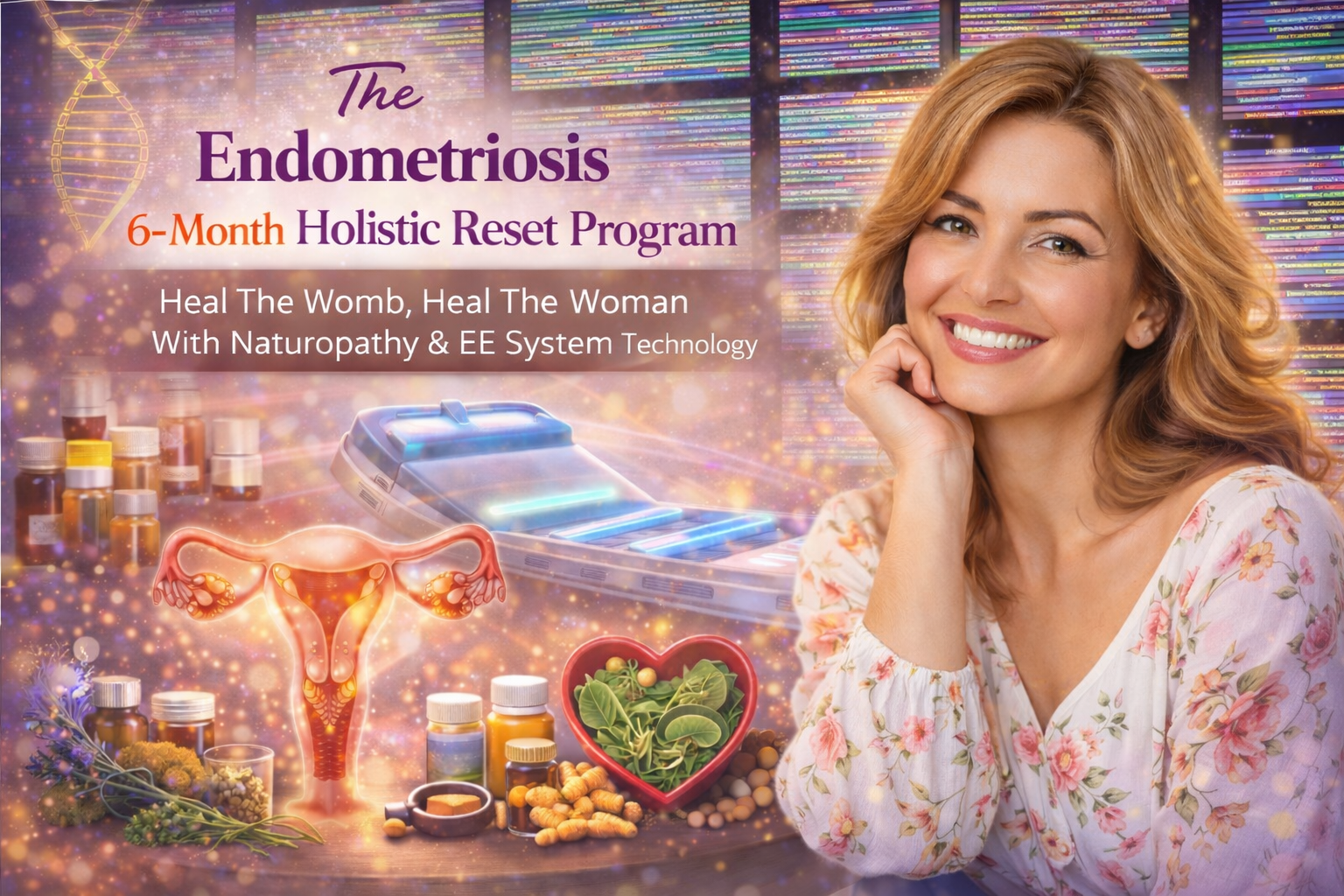
The Endometriosis 6-Month Holistic Reset Program
The Endometriosis 6-Month Holistic Reset Program is a comprehensive mind-body-womb healing journey designed for women seeking to alleviate chronic endometriosis symptoms, restore hormonal balance, and reconnect with their body.