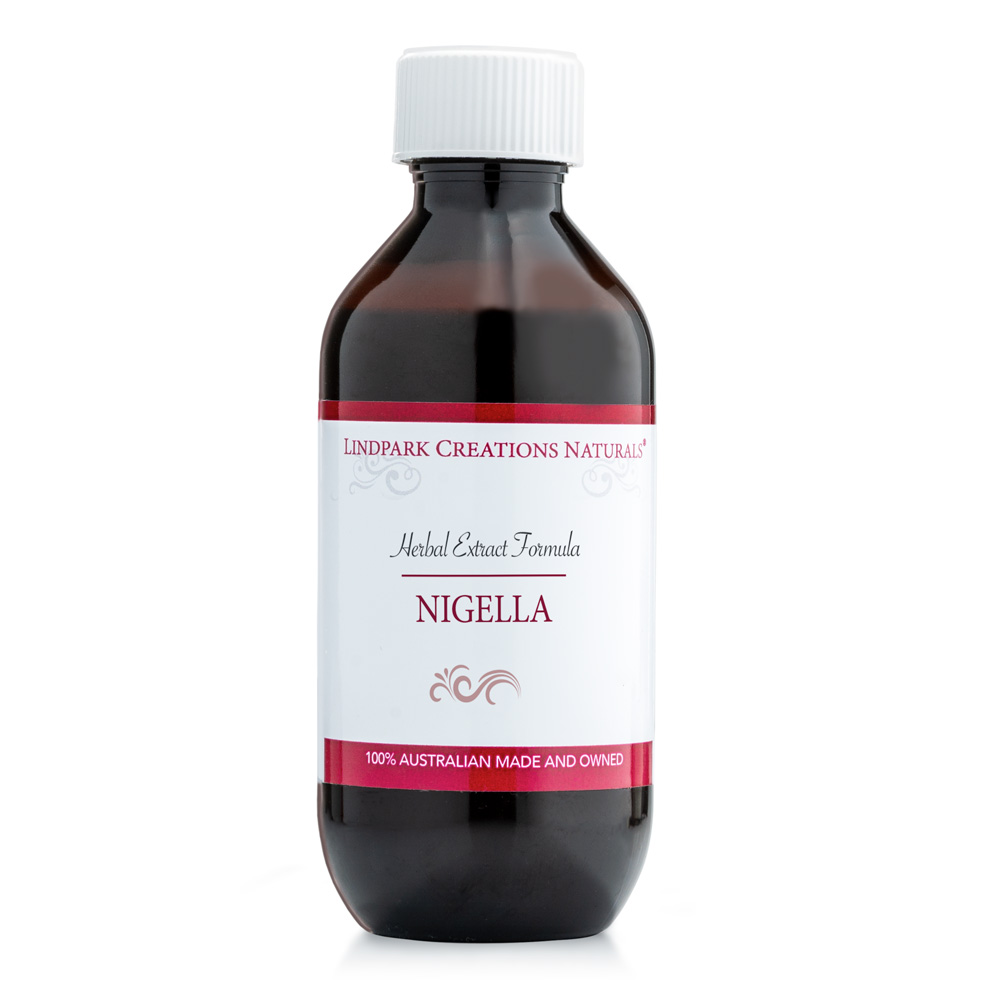
Nigella (Nigella sativa) 200mL

$79.50

Nigella, also known as black seed or kalonji, is a traditional medicinal and culinary herb valued for its warming, aromatic and bitter properties. It has traditionally been used to support respiratory, digestive, metabolic, cardiovascular, immune and reproductive wellbeing, as well as healthy inflammatory and antioxidant balance.

Nigella (Nigella sativa) is traditionally used for:

  • Indigestion, loss of appetite
  • Support for mild feverish conditions
  • Relief of allergic rhinitis
  • To support the elimination of parasitic worms from the gut
  • Breast milk production

Description

Nigella (Nigella sativa)

Nigella, also known as black seed or kalonji, is an annual flowering plant from the buttercup family, Ranunculaceae. The seeds have been used for centuries in traditional medicine systems including Unani, Ayurveda and Siddha, as well as in culinary traditions across the Middle East, Southeast Asia and India.

Nigella seeds have traditionally been valued as a warming, aromatic and bitter medicinal spice with applications spanning the respiratory, digestive, cardiovascular, metabolic, immune and reproductive systems. Traditionally, nigella has been used for general wellbeing as well as concerns including asthma, bronchitis, rheumatism, digestive complaints, menstrual discomfort and skin eruptions.

What Nigella May Support

Nigella has traditionally been used to support:

  • Healthy respiratory function, including allergies, allergic rhinitis, asthma, colds, bronchitis, coughs and chest congestion
  • Healthy immune and inflammatory balance
  • Healthy metabolic function, including blood glucose and lipid balance
  • Cardiovascular wellbeing, including healthy cholesterol and blood pressure
  • Healthy digestive function, including dyspepsia, poor appetite, flatulent colic, diarrhoea and gastrointestinal discomfort
  • Healthy liver function and metabolic wellbeing
  • Women’s wellbeing, including dysmenorrhoea, menopause and premenstrual symptoms
  • Healthy reproductive function, including male fertility and breast milk production
  • Cognitive function, memory and attention
  • Healthy mood and emotional wellbeing
  • Healthy skin and joint comfort when used externally
  • Healthy antioxidant protection

Research and Pharmacological Activity

Research into Nigella includes in vitro studies, animal research and human clinical trials. Human research has investigated its potential effects on inflammatory and oxidative stress markers, cardiovascular and metabolic health, respiratory and allergic conditions, cognitive function and mood, liver health, digestive conditions, women’s health, male fertility and other areas.

Clinical research has reported promising findings in areas including type 2 diabetes, cholesterol, blood pressure, metabolic health, non-alcoholic fatty liver disease, asthma, allergic rhinitis, premenstrual symptoms and male infertility. However, the evidence varies between conditions, and further high-quality clinical research is needed to confirm the effectiveness of Nigella for specific health conditions.

Key Constituents

Nigella seeds contain alkaloids, saponins, sterols, phenolic compounds and essential oil. The essential oil contains approximately 40 identified compounds, with thymoquinone and its derivatives identified as important active constituents. Other reported constituents include quercetin and various terpene and terpenoid compounds.

Important Information

Nigella is traditionally considered warming, oily, bitter and aromatic.

Nigella is likely to be safe when consumed in usual dietary amounts during pregnancy. However, the safety of larger medicinal doses has not been scientifically established, and medicinal doses are contraindicated during pregnancy. As Nigella has traditionally been used as an emmenagogue, large doses should also be avoided by women trying to conceive.

Caution is advised in people with immune disorders, although dietary intake appears to be safe.

Caution is advised when using Nigella alongside anticoagulant or antiplatelet medicines due to possible additive effects. Caution is also advised with immunosuppressive medicines due to a theoretical reduction in drug effect.

Monitoring is advised when using Nigella with analgesics, anticonvulsants, antidiabetic, antihypertensive and central nervous system depressant medicines, due to possible additive effects.

Nigella may potentially be beneficial alongside antineoplastic medicines, cisplatin and doxorubicin, but medical supervision is recommended.

If you take prescription medicines, have an existing medical condition or are considering medicinal doses of Nigella, seek advice from a qualified healthcare practitioner before use.

For more detailed information about Nigella, including its traditional uses, constituents, research and clinical considerations, please see the full herbal monograph.

Read More: Nigella (Nigella sativa)_Monograph

Read More: Nigella (Nigella sativa)_Summary
Additional information

Directions for use:

Adults: 7.5 mLs 2 x day with food or after food

Children (6-12 years): 1 x day with or after food

*Not to be used in children under 5 years of age

Actions

  • Digestive stimulant
  • Carminative
  • Anthelmintic
  • Gastroprotective
  • Hepatoprotective
  • Emmenagogue
  • Galactagogue
  • Hypoglycaemic
  • Diuretic
  • Hypolipidaemic
  • Antihypertensive
  • Anticoagulant
  • Diaphoretic
  • Expectorant
  • Anti-asthmatic
  • Antiallergic
  • Antimicrobial
    • Antibacterial
    • Antifungal
    • Antiviral
  • Antioxidant
  • Anti-inflammatory
  • Anxiolytic
  • Immune modulator
  • Anticarcinogenic
  • Analgesic

Indications

  • Allergies and allergic rhinitis
  • Asthma
  • Fever
  • Colds
  • Bronchitis
  • Coughs
  • Chest congestion
  • Type 2 diabetes
  • Metabolic syndrome
  • Obesity
  • Low thyroid function
  • High cholesterol
  • Hypertension
  • Reducing symptoms of opioid withdrawal
  • Dyspepsia
  • Poor appetite
  • Flatulent colic
  • Diarrhoea
  • Gastrointestinal infections
  • Crohn's disease
  • Intestinal worms
  • Poor liver function
  • Non-alcoholic fatty liver disease
  • Dysmenorrhoea
  • Menopause
  • Polycystic ovarian syndrome
  • Male infertility
  • Breast milk production
  • Eczema (externally)
  • Swollen joints (externally)

Click Here for a Quick Free Call to our Naturopath and have your Question Answered:

Nigella (Nigella sativa) 200mL

$79.50

Nigella, also known as black seed or kalonji, is a traditional medicinal and culinary herb valued for its warming, aromatic and bitter properties. It has traditionally been used to support respiratory, digestive, metabolic, cardiovascular, immune and reproductive wellbeing, as well as healthy inflammatory and antioxidant balance.

Nigella (Nigella sativa) is traditionally used for:

  • Indigestion, loss of appetite
  • Support for mild feverish conditions
  • Relief of allergic rhinitis
  • To support the elimination of parasitic worms from the gut
  • Breast milk production

Description

Nigella (Nigella sativa)

Nigella, also known as black seed or kalonji, is an annual flowering plant from the buttercup family, Ranunculaceae. The seeds have been used for centuries in traditional medicine systems including Unani, Ayurveda and Siddha, as well as in culinary traditions across the Middle East, Southeast Asia and India.

Nigella seeds have traditionally been valued as a warming, aromatic and bitter medicinal spice with applications spanning the respiratory, digestive, cardiovascular, metabolic, immune and reproductive systems. Traditionally, nigella has been used for general wellbeing as well as concerns including asthma, bronchitis, rheumatism, digestive complaints, menstrual discomfort and skin eruptions.

What Nigella May Support

Nigella has traditionally been used to support:

  • Healthy respiratory function, including allergies, allergic rhinitis, asthma, colds, bronchitis, coughs and chest congestion
  • Healthy immune and inflammatory balance
  • Healthy metabolic function, including blood glucose and lipid balance
  • Cardiovascular wellbeing, including healthy cholesterol and blood pressure
  • Healthy digestive function, including dyspepsia, poor appetite, flatulent colic, diarrhoea and gastrointestinal discomfort
  • Healthy liver function and metabolic wellbeing
  • Women’s wellbeing, including dysmenorrhoea, menopause and premenstrual symptoms
  • Healthy reproductive function, including male fertility and breast milk production
  • Cognitive function, memory and attention
  • Healthy mood and emotional wellbeing
  • Healthy skin and joint comfort when used externally
  • Healthy antioxidant protection

Research and Pharmacological Activity

Research into Nigella includes in vitro studies, animal research and human clinical trials. Human research has investigated its potential effects on inflammatory and oxidative stress markers, cardiovascular and metabolic health, respiratory and allergic conditions, cognitive function and mood, liver health, digestive conditions, women’s health, male fertility and other areas.

Clinical research has reported promising findings in areas including type 2 diabetes, cholesterol, blood pressure, metabolic health, non-alcoholic fatty liver disease, asthma, allergic rhinitis, premenstrual symptoms and male infertility. However, the evidence varies between conditions, and further high-quality clinical research is needed to confirm the effectiveness of Nigella for specific health conditions.

Key Constituents

Nigella seeds contain alkaloids, saponins, sterols, phenolic compounds and essential oil. The essential oil contains approximately 40 identified compounds, with thymoquinone and its derivatives identified as important active constituents. Other reported constituents include quercetin and various terpene and terpenoid compounds.

Important Information

Nigella is traditionally considered warming, oily, bitter and aromatic.

Nigella is likely to be safe when consumed in usual dietary amounts during pregnancy. However, the safety of larger medicinal doses has not been scientifically established, and medicinal doses are contraindicated during pregnancy. As Nigella has traditionally been used as an emmenagogue, large doses should also be avoided by women trying to conceive.

Caution is advised in people with immune disorders, although dietary intake appears to be safe.

Caution is advised when using Nigella alongside anticoagulant or antiplatelet medicines due to possible additive effects. Caution is also advised with immunosuppressive medicines due to a theoretical reduction in drug effect.

Monitoring is advised when using Nigella with analgesics, anticonvulsants, antidiabetic, antihypertensive and central nervous system depressant medicines, due to possible additive effects.

Nigella may potentially be beneficial alongside antineoplastic medicines, cisplatin and doxorubicin, but medical supervision is recommended.

If you take prescription medicines, have an existing medical condition or are considering medicinal doses of Nigella, seek advice from a qualified healthcare practitioner before use.

For more detailed information about Nigella, including its traditional uses, constituents, research and clinical considerations, please see the full herbal monograph.

Read More: Nigella (Nigella sativa)_Monograph

Read More: Nigella (Nigella sativa)_Summary
Additional information

Directions for use:

Adults: 7.5 mLs 2 x day with food or after food

Children (6-12 years): 1 x day with or after food

*Not to be used in children under 5 years of age

Actions

  • Digestive stimulant
  • Carminative
  • Anthelmintic
  • Gastroprotective
  • Hepatoprotective
  • Emmenagogue
  • Galactagogue
  • Hypoglycaemic
  • Diuretic
  • Hypolipidaemic
  • Antihypertensive
  • Anticoagulant
  • Diaphoretic
  • Expectorant
  • Anti-asthmatic
  • Antiallergic
  • Antimicrobial
    • Antibacterial
    • Antifungal
    • Antiviral
  • Antioxidant
  • Anti-inflammatory
  • Anxiolytic
  • Immune modulator
  • Anticarcinogenic
  • Analgesic

Indications

  • Allergies and allergic rhinitis
  • Asthma
  • Fever
  • Colds
  • Bronchitis
  • Coughs
  • Chest congestion
  • Type 2 diabetes
  • Metabolic syndrome
  • Obesity
  • Low thyroid function
  • High cholesterol
  • Hypertension
  • Reducing symptoms of opioid withdrawal
  • Dyspepsia
  • Poor appetite
  • Flatulent colic
  • Diarrhoea
  • Gastrointestinal infections
  • Crohn's disease
  • Intestinal worms
  • Poor liver function
  • Non-alcoholic fatty liver disease
  • Dysmenorrhoea
  • Menopause
  • Polycystic ovarian syndrome
  • Male infertility
  • Breast milk production
  • Eczema (externally)
  • Swollen joints (externally)