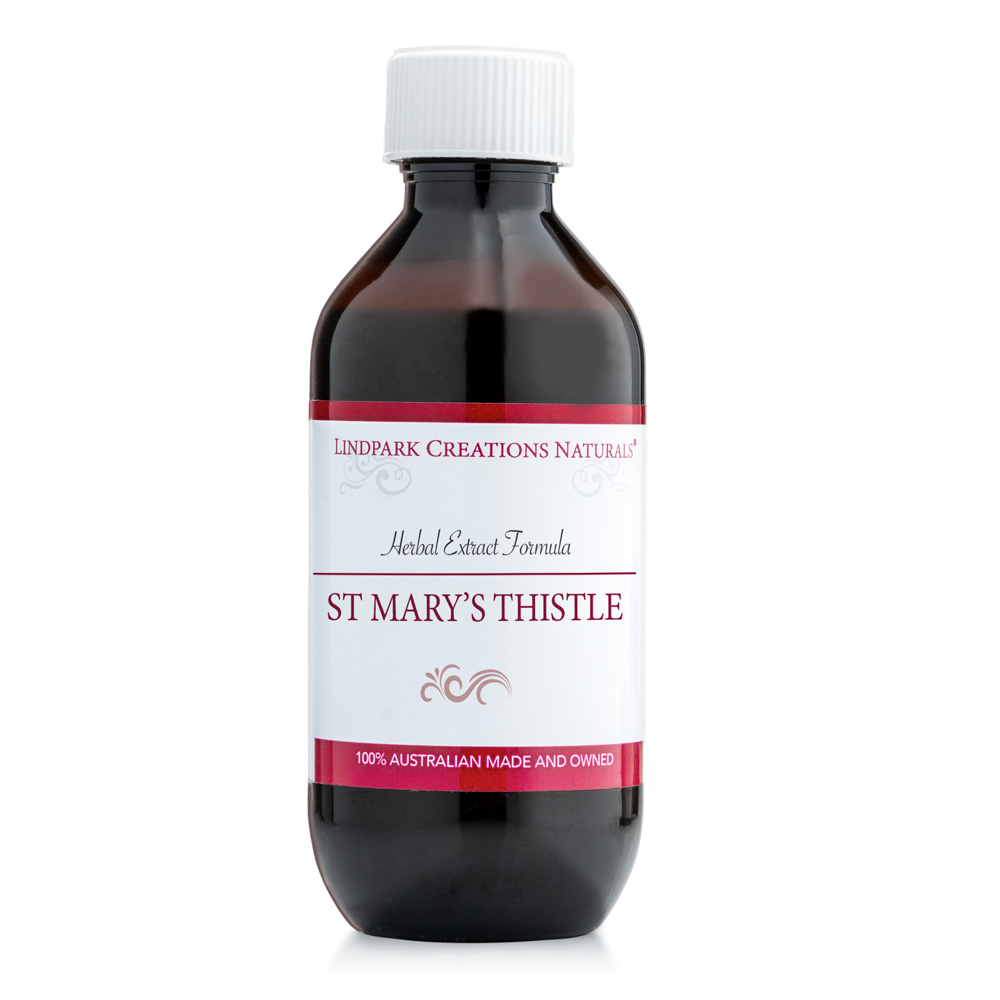
Description
St Mary’s Thistle (Silybum marianum)
St Mary’s thistle, also known as Milk Thistle, is a traditional medicinal herb with a therapeutic history dating back approximately 2,000 years. The seeds have traditionally been valued for supporting liver and gallbladder health, digestion and protection against environmental and chemical toxins.
St Mary’s thistle is traditionally considered a hepatoprotective, hepatorestorative, choleretic and cholagogue herb. It has been used for liver and gallbladder disorders, digestive complaints and to support the body’s natural antioxidant defences. It is also traditionally used as a galactagogue to support breast milk production.
What St Mary’s Thistle May Support
St Mary’s thistle has traditionally been used to support:
- Healthy liver function and restoration, including support during exposure to toxins
- Liver and gallbladder wellbeing, including bile production and flow
- Digestive comfort, including dyspepsia and hangover
- Healthy cholesterol and blood sugar balance
- Protection against oxidative stress and inflammation
- Healthy connective tissue and protection against excess fibrous tissue formation
- Support during exposure to conventional medicines, chemical pollutants and chemotherapy
- Skin conditions associated with liver dysfunction
- Breast milk production during breastfeeding
Research and Pharmacological Activity
Research into St Mary’s thistle has focused primarily on silymarin and its constituent flavonolignans, particularly silybin. Investigations have explored its hepatoprotective, antioxidant, anti-inflammatory, antifibrotic, hypoglycaemic, chelating and potential anticancer properties.
Clinical and experimental research has examined its potential role in liver damage, hepatitis, non-alcoholic fatty liver disease, chemotherapy-related liver injury, cholesterol and blood glucose regulation, kidney protection and oxidative stress. Research has also explored its potential applications in cancer support, antifungal activity and neuroprotective effects.
Although research has identified several promising properties, the monograph notes that firm clinical evidence remains limited. Results from concentrated, standardised silymarin extracts should not automatically be applied to whole-herb preparations, and further well-controlled clinical studies are needed.
Key Constituents
St Mary’s thistle contains silymarin, a complex of flavonolignans including silybin A, silybin B, isosilybin A, isosilybin B, silychristin A, silychristin B and silydianin. Other constituents include the flavonoid taxifolin and the bioflavonoid quercetin.
Silybin, also known as silibinin, is the principal component of silymarin and is recognised as a major biologically active constituent. The oil fraction contains linoleic, oleic and palmitic acids, sterols, tocopherol (vitamin E) and phospholipids.
Important Information
St Mary’s thistle is traditionally considered bitter, warm and dry.
There are no known restrictions regarding use during pregnancy according to the supplied monograph. However, consult a qualified healthcare practitioner before use during pregnancy or when breastfeeding, particularly when using medicinal doses.
St Mary’s thistle is contraindicated in individuals with an allergy to plants of the Asteraceae or Compositae family, including daisies.
Caution is advised when using St Mary’s thistle alongside risperidone, sirolimus and tamoxifen. Monitoring is recommended when used with metronidazole. The monograph also notes potential beneficial combinations with doxorubicin, cisplatin and hepatotoxic substances, which should only be considered under appropriate medical supervision.
If you take prescription medicines, have an existing medical condition or have an allergy to plants in the Asteraceae family, seek advice from a qualified healthcare practitioner before use.
For more detailed information about St Mary’s Thistle, including its traditional uses, constituents, research and clinical considerations, please see the full herbal monograph.
Read More: St Mary’s Thistle (Silybum marianum)_Monograph
Read More: St Mary’s Thistle (Silybum marianum)_Summary