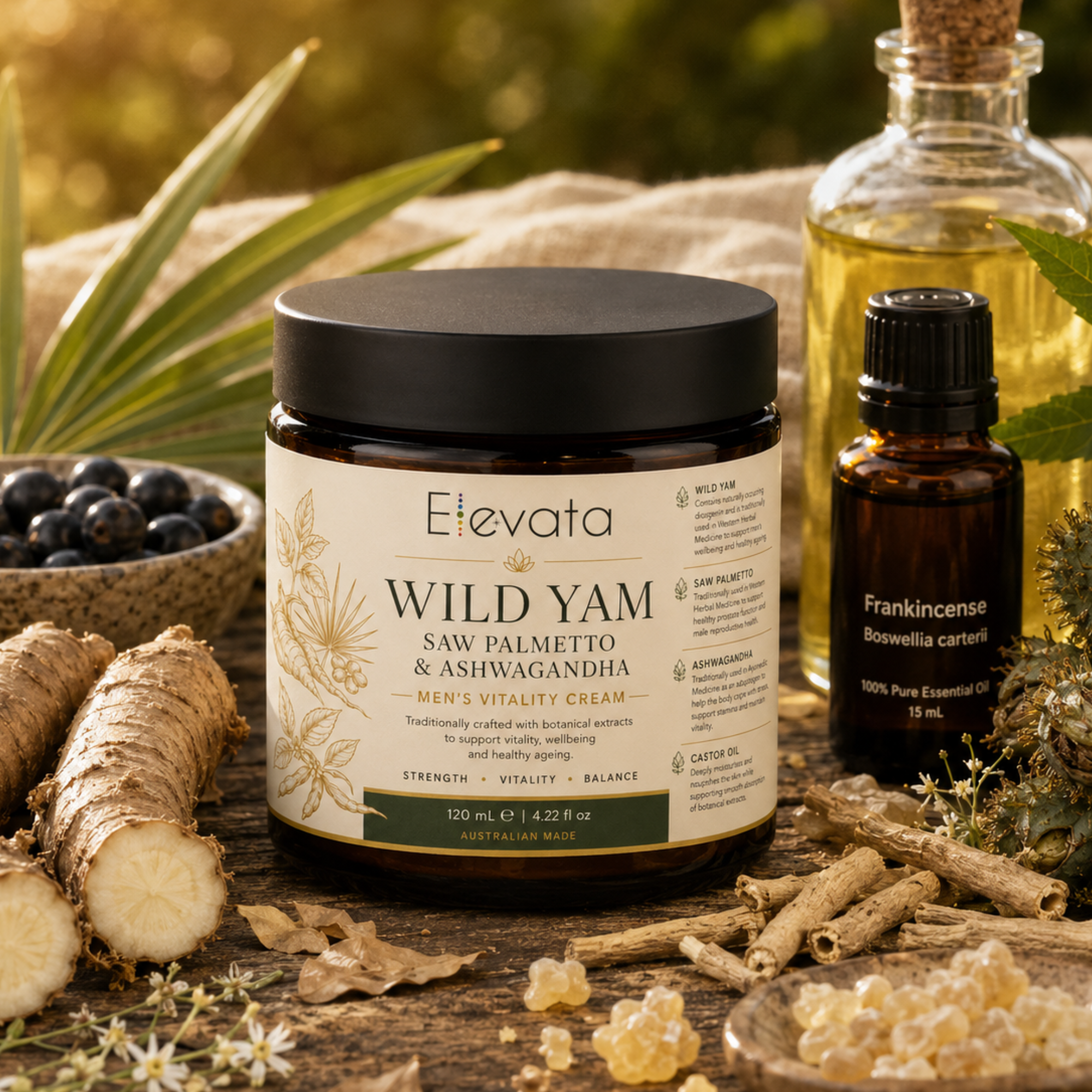
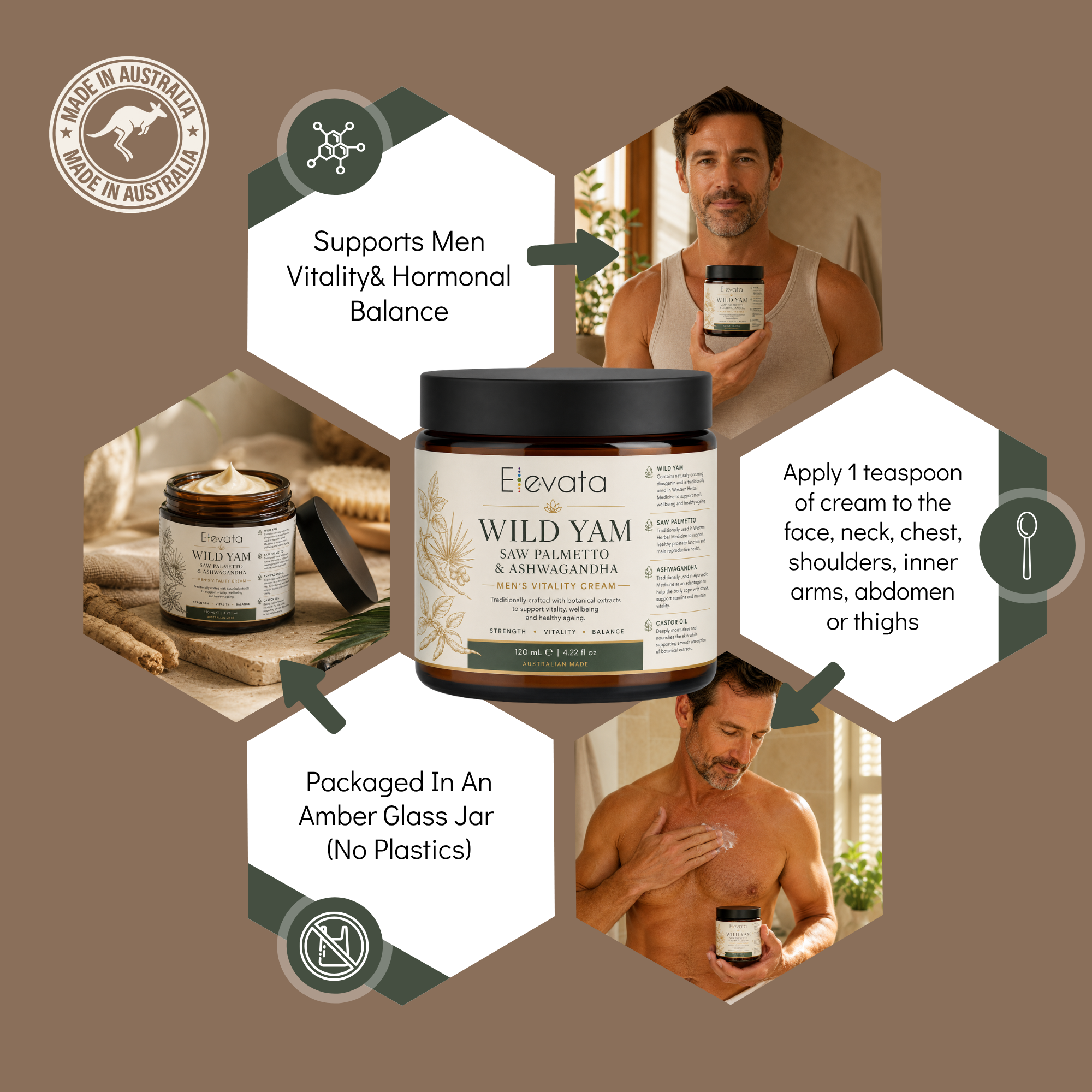
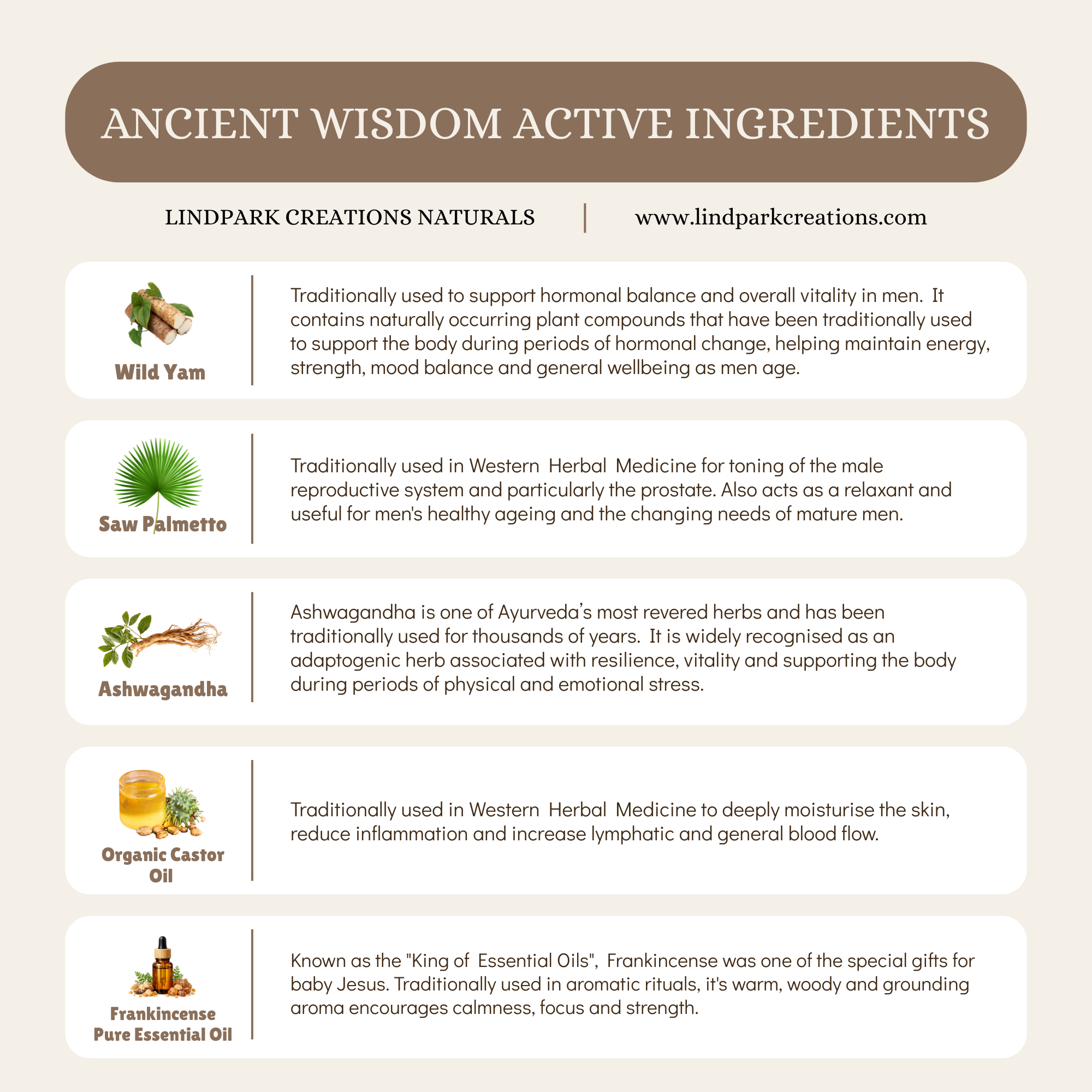
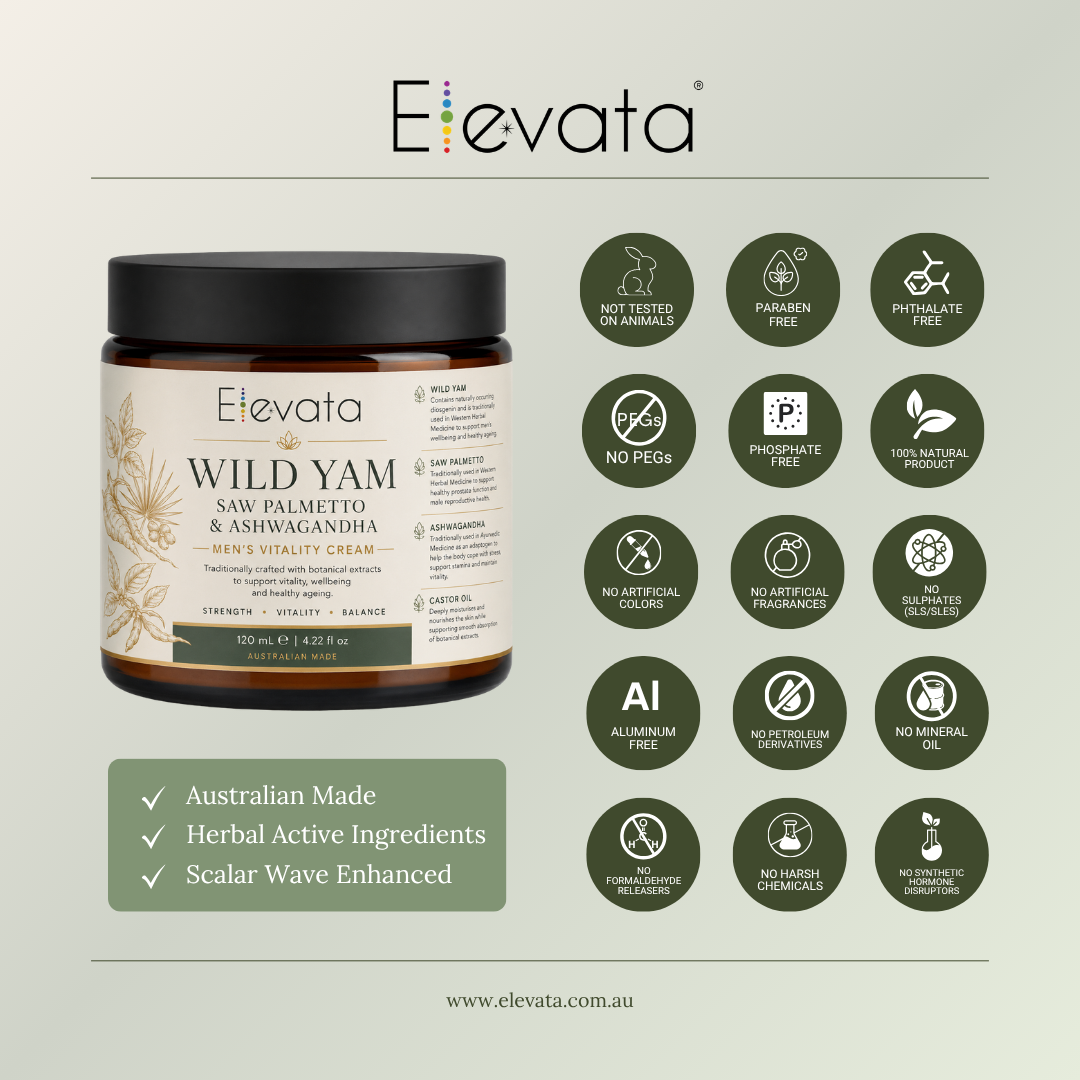
Wild Yam – Dioscorea villosa
Traditional Herb Actions
• Hormone Modulator
• Anti-inflammatory
• Antispasmodic
• Antirheumatic
• Bitter
Traditional Herbal Indications
• Support for hormonal balance and wellbeing
• Inflammatory conditions
• Gastrointestinal spasm including irritable bowel syndrome, diverticulitis, inflammatory conditions of the gastrointestinal tract, flatulence, nausea and vomiting
• Rheumatic conditions
Traditional Use
For centuries, herbalists have used Wild Yam to support hormonal balance, digestive health and inflammatory conditions. The roots of Wild Yam contain diosgenin, a plant steroidal saponin that has been used as a starting material for the development of steroidal compounds including progesterone, oestrogen, cortisone and dehydroepiandrosterone (DHEA).
Diosgenin continues to be an important compound studied in relation to plant-based steroidal chemistry and herbal medicine.
Constituents
Steroidal saponins (diosgenin), vitamin C, beta-carotene, vitamins B1, B2, B3, iron, magnesium, potassium, selenium, zinc and polyphenols.
Contraindications and Cautions
None known.
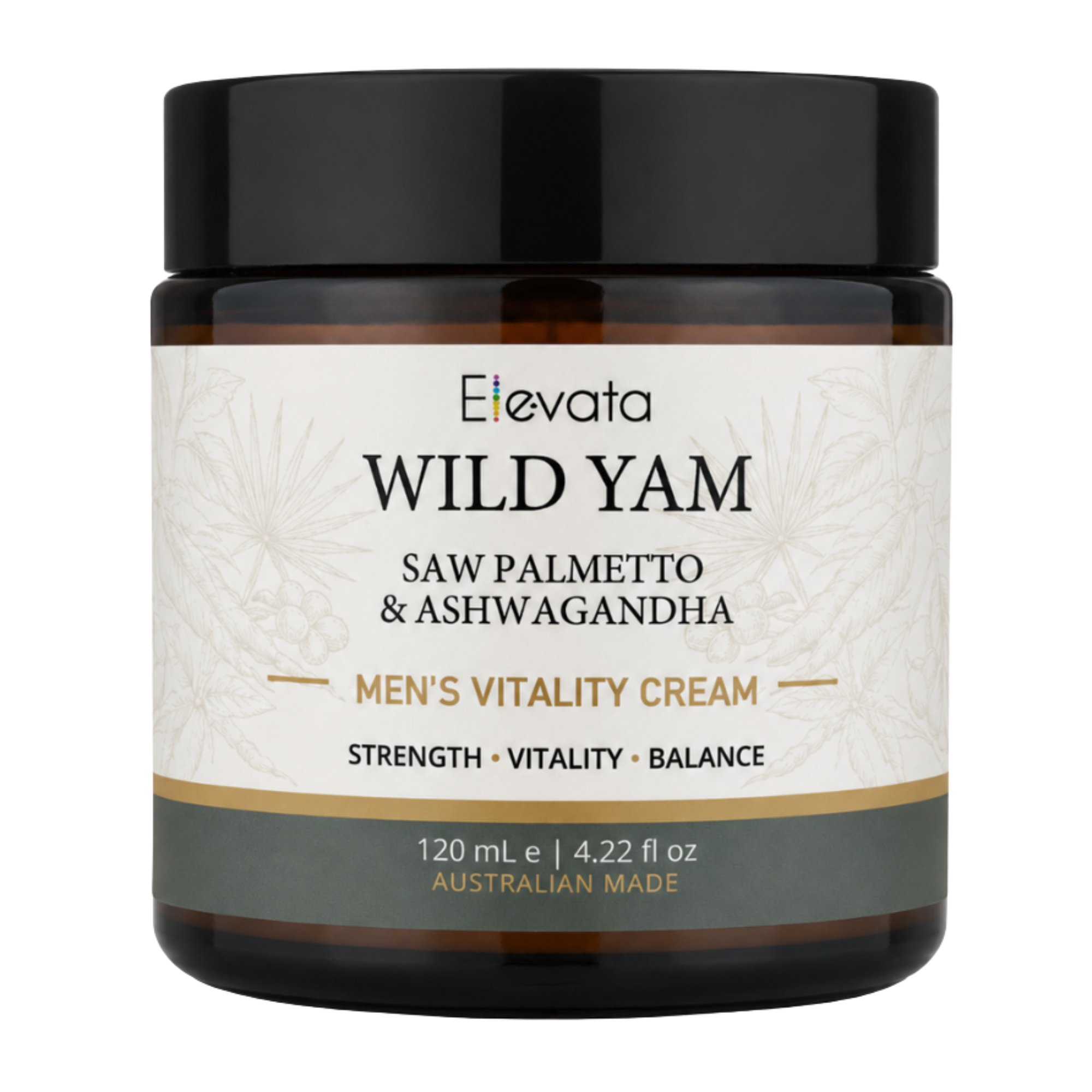
Saw Palmetto – Serenoa repens
Traditional Herb Actions
• Anti-inflammatory
• Antiprostatic
• Male tonic
• Antispasmodic
• Expectorant
• Antiseptic
• Diuretic
Traditional Herbal Indications
• Benign prostatic hyperplasia (BPH) and lower urinary tract symptoms (LUTS)
• Supporting healthy prostate function
• Male reproductive wellbeing
• Urinary system support
• Androgen-related hair concerns
Traditional Use
Saw Palmetto has been traditionally used as one of the most important herbal medicines for men's health. Indigenous communities used the fruit as food and medicine, and it later became widely recognised in Western herbal medicine for supporting prostate and urinary health.
Modern research has investigated Saw Palmetto preparations for their role in supporting healthy prostate function and urinary symptoms associated with ageing. Studies suggest its activity may be linked to multiple mechanisms, including anti-inflammatory effects and interaction with androgen pathways.
Constituents
Free fatty acids, fatty acid esters, triglycerides, sterols, acidic polysaccharides, phenolic acids, gallic acid, flavonoids (rutin, isoquercitrin and astragalin) and carotenoids.
Contraindications and Cautions
Take with meals to avoid minor gastrointestinal complaints such as nausea, abdominal discomfort, constipation or diarrhoea.
Caution is advised with anticoagulant/antiplatelet medications and hormonal medications due to potential interactions.
Ashwagandha – Withania somnifera
Traditional Herb Actions
• Adaptogen
• Nervine tonic
• Tonic
• Mild sedative
• Aphrodisiac
• Anti-inflammatory
• Antioxidant
• Immunomodulatory
• Cardioprotective
Traditional Herbal Indications
• Stress, nervous exhaustion, fatigue and weakness
• Supporting resilience during periods of physical and mental stress
• Reproductive health, low libido and vitality
• Healthy ageing and longevity
• Inflammatory conditions
• Memory and cognitive support
• Muscle strength and endurance support
Traditional Use
Ashwagandha, also known as Withania, Indian ginseng or winter cherry, has been traditionally used in Ayurvedic medicine for thousands of years as a Rasayana herb — a group of botanical medicines traditionally used to promote vitality, strength, longevity and resilience.
The root has been traditionally used as an adaptogen to support the body's ability to respond to stress, improve energy levels, support nervous system function and promote overall wellbeing. Modern research has investigated Ashwagandha for its adaptogenic, antioxidant, anti-inflammatory and reproductive health properties.
Clinical studies have shown Ashwagandha may help support stress management, reduce markers associated with stress, improve quality of life, and support physical performance and reproductive health.
Constituents
Alkaloids (isopelletierine, anaferine), steroidal lactones (withanolides, withaferins), saponins, phytosterols (beta-sitosterol, stigmasterol), triterpenes, iron and other plant compounds.
Contraindications and Cautions
Caution is advised during pregnancy due to traditional concerns regarding use in large doses.
Individuals with thyroid conditions or those taking thyroid medications should seek professional advice before use, as Ashwagandha may influence thyroid hormone levels.
Frankincense – Boswellia serrata
Also known as Indian Frankincense, Olibanum or Salai Guggul. Other medicinal Frankincense species include Boswellia sacra and Boswellia carterii.
Traditional Herb Actions
• Potent anti-inflammatory
• Antirheumatic
• Analgesic
• Antioxidant
• Antimicrobial
• Astringent
• Expectorant
• Wound-healing
• Immune-modulating
• Nervine and grounding aromatic
Traditional Herbal Indications
• Arthritis, osteoarthritis and rheumatic pain
• Muscular stiffness and inflammatory joint conditions
• Inflammatory conditions of the gastrointestinal tract
• Respiratory inflammation, asthma, bronchitis and catarrh
• Minor wounds, ulcers and inflammatory skin conditions
• Supporting oral and gum health
• Menstrual discomfort
• Supporting healthy ageing
• Emotional stress, meditation and spiritual wellbeing
Traditional Use
Frankincense is the aromatic oleo-gum-resin obtained by tapping the bark of trees belonging to the Boswellia genus. It has been used for thousands of years in Ayurvedic, Middle Eastern, African and traditional Chinese medicine.
In Ayurveda, Boswellia serrata is known as Salai Guggul and has traditionally been used for inflammatory and painful conditions, particularly arthritis, respiratory complaints and gastrointestinal inflammation. The resin was also applied externally to wounds, ulcers and painful joints.
Frankincense contains boswellic acids, including AKBA—acetyl-11-keto-beta-boswellic acid—which have been studied for their ability to influence inflammatory pathways, particularly the production of leukotrienes. This may help explain Frankincense’s traditional use for joint, respiratory and inflammatory conditions.
Historical Uses
Frankincense has been valued as a sacred medicine, incense and ceremonial substance for more than 3,000 years. Ancient trade routes carried the resin from Arabia, India and north-eastern Africa into Egypt, Greece, Rome and the Mediterranean.
The ancient Egyptians burned Frankincense in temples, incorporated it into perfumes and cosmetics, and used it in preparations for the skin, wounds and ceremonial embalming. In Middle Eastern and African traditions, the resin was burned to cleanse homes and sacred spaces, freshen the air and support spiritual practices.
Frankincense also holds an important place in Biblical history and Christian tradition, where it represented holiness, reverence and the divine. It has continued to be used in religious ceremonies, prayer and meditation because its warm, resinous aroma is traditionally believed to quieten the mind, deepen breathing and encourage contemplation.
Historically, Frankincense resin was chewed or prepared medicinally for digestive complaints, respiratory congestion, oral health, inflammatory pain and women’s reproductive concerns. Its smoke, resin, powdered herb and infused preparations were used in different ways across cultures.
Constituents
Pentacyclic triterpenes and boswellic acids, including:
• Beta-boswellic acid
• Acetyl-beta-boswellic acid
• 11-keto-beta-boswellic acid
• Acetyl-11-keto-beta-boswellic acid—AKBA
• Lupeolic acids
• Tirucallic acids
• Essential oils and monoterpenes, including alpha-pinene, limonene and myrcene
• Diterpenes
• Polysaccharides
• Resin acids and aromatic compounds
Frankincense and Cancer Research Today
Frankincense is currently being investigated as a complementary botanical medicine in cancer research, particularly through standardised Boswellia extracts and isolated boswellic acids. Laboratory research suggests these compounds may affect inflammatory signalling, cancer-cell proliferation, apoptosis—programmed cell death—angiogenesis and pathways involved in tumour invasion. However, laboratory findings cannot automatically be assumed to produce the same effects in the human body.
A small Phase Ia clinical study involving women awaiting surgery for breast cancer found that oral Boswellia serrata extract was well tolerated and was associated with a statistically significant reduction in a marker of tumour-cell proliferation. This was an encouraging early finding, but the study involved only a small number of patients and was not designed to determine whether Boswellia improves survival or prevents recurrence. Published clinical study
Boswellia has also been studied for peritumoural cerebral oedema—swelling surrounding brain tumours—particularly in people undergoing radiotherapy. Some clinical evidence suggests that oral Boswellia extract may help reduce this inflammatory swelling, although it has not been demonstrated to shrink the brain tumour itself. The European Medicines Agency previously granted an orphan designation to a Boswellia serrata resin extract for investigation in this area. European Medicines Agency
Topical Boswellia preparations have also been studied for helping to reduce skin inflammation and dermatitis associated with breast radiotherapy.
Frankincense essential oils and boswellic acids have demonstrated activity against several cancer-cell lines in laboratory studies, including breast, bladder, pancreatic, prostate, colon and brain cancer cells.