

Hair loss rarely begins and ends at the scalp. If you are searching for a natural treatment for alopecia, chances are you have already tried the obvious fixes – a shampoo, a supplement, a blood test, perhaps a quick consultation that left you with more questions than answers. What many people discover, often after months or years of frustration, is that alopecia is not always a surface issue. It can be a message from the body asking for deeper investigation.
For some, the shedding starts after stress, a shock, illness, childbirth, perimenopause or a period of intense emotional strain. For others, it appears as round patches, thinning through the part line, or a widening sense that something is off internally. The most effective natural approach is not built on guesswork. It begins by understanding which type of alopecia you are dealing with and what may be driving it.
What a natural treatment for alopecia should actually address
Alopecia is an umbrella term, not a single condition. Alopecia areata involves an immune response that targets the hair follicle. Androgen-related hair loss tends to be influenced by hormones and genetic sensitivity. Telogen effluvium is often triggered by stress, nutritional depletion, illness or hormonal change. Scarring forms of hair loss need urgent practitioner care because the follicle can become permanently damaged.
This matters because a natural treatment for alopecia should never be a one-size-fits-all routine. Real progress usually comes from matching the strategy to the pattern of hair loss, the timeline, the body systems involved and the person standing in front of you.
In naturopathic practice, we look beyond the visible symptom. Hair can be affected by iron status, thyroid function, inflammation, blood sugar imbalance, digestive dysfunction, stress hormones, sex hormones, autoimmune activity and nutrient absorption. If you find the cause, you can support the body far more effectively.
Common root causes behind alopecia
One of the biggest mistakes people make is assuming hair loss is purely cosmetic. Hair is metabolically expensive tissue. The body will often reduce investment in hair growth when it is under strain.
Stress is a major trigger. Not just emotional stress, but physical stress too – surgery, viral illness, poor sleep, under-eating, overtraining and chronic inflammation can all shift hairs into a resting phase. A few months later, the shedding begins, and it can feel sudden even though the trigger happened earlier.
Hormonal shifts are another common piece of the puzzle, especially for women over 40. Perimenopause, menopause and PCOS can alter the balance between oestrogen, progesterone and androgens. When hormones are fluctuating or declining, the hair cycle can change. Some women notice increased facial hair while losing density at the scalp. Others see diffuse thinning that worsens during times of hormonal upheaval.
Nutritional depletion is often underestimated. Low iron stores, poor protein intake, zinc insufficiency, low vitamin D, B12 depletion and inadequate essential fatty acids can all affect follicle health. Even when someone is eating well, gut dysfunction may impair absorption. If there is bloating, reflux, altered bowel habits or a history of restrictive dieting, it is worth looking deeper.
Autoimmune activity also deserves careful attention. In alopecia areata, the immune system is involved, which means supporting immune balance, calming inflammation and addressing gut-immune connections may form part of a broader plan. Natural care can be incredibly supportive here, but it needs to be personalised and realistic.
Natural strategies that can support hair regrowth
Diet is foundational. Hair follicles require protein, minerals, healthy fats and stable blood sugar. A nourishing anti-inflammatory way of eating often helps reduce one of the hidden burdens on the body. That generally means enough quality protein across the day, iron-rich foods where appropriate, colourful plant foods, omega-3 fats and fewer highly processed foods that drive inflammation and insulin swings.
Herbal medicine can be valuable, especially when the prescription is matched to the person rather than the condition name alone. Some herbs support stress adaptation. Others assist circulation, digestion, liver clearance or hormone metabolism. In women with androgen-related shedding, herbs may be chosen to support hormone balance gently. In stress-related shedding, the focus may be on calming the nervous system and rebuilding resilience. In clinical practice, targeted herbal formulas such as our Hair Herbal Tincture may also be used to support circulation and follicle health, using traditional herbal extracts that help strengthen hair follicles for healthier-looking growth.
Targeted supplementation can help when there is a confirmed need. Iron should never be taken blindly, but low ferritin is a well-known contributor to shedding. Zinc, biotin, vitamin D, marine collagen, amino acids and selected B vitamins may all have a place depending on the case. More is not always better. The goal is precision, not a kitchen-sink supplement shelf.
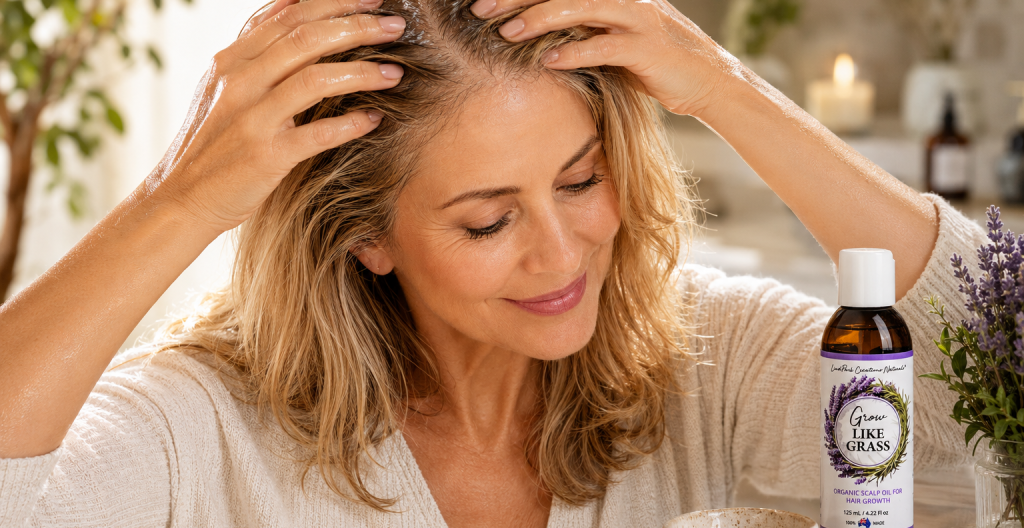
The scalp is living tissue with its own microbiome, circulation and inflammatory responses. Gentle scalp massage, selected botanical oils and non-toxic scalp preparations such as Grow Like Grass Organic Scalp Oil may help improve local circulation, reduce irritation and support follicle health. But if the body is under internal strain, topical products alone are unlikely to carry the whole result.
The gut-hair connection is real
When someone has chronic skin issues, hormone disruption and hair loss at the same time, the gut often sits quietly in the background as a major player. Poor digestion, low stomach acid, microbial imbalance and intestinal inflammation can all affect nutrient absorption and immune regulation.
This is one reason some people do all the right things on paper and still do not improve. They may be taking supplements, eating well and using topical treatments, yet the body is not absorbing, regulating or repairing properly. In these cases, working on digestive function can create a turning point.
It is also why a practitioner-led approach can feel so different. Instead of chasing symptoms one by one, you begin to see the pattern – gut, hormones, inflammation, stress, scalp. When the pattern becomes clear, the plan becomes clearer too.
What natural treatment can and cannot do
This is where honesty matters. Natural treatment for alopecia can be deeply supportive, especially in early-stage thinning, stress-related shedding, postpartum hair loss, nutrient-related hair loss and cases where hormones or inflammation are clearly involved. It may also play a meaningful role alongside medical care in autoimmune-related hair loss.
But results depend on timing, diagnosis and consistency. If the follicle is still viable, there is more potential for regrowth. If there is scarring alopecia, delaying proper assessment can reduce the chance of preserving the hair that remains. If severe iron deficiency, thyroid disease or autoimmune activity is present, these need appropriate investigation.
Natural medicine is not about pretending everything can be fixed with a tincture. It is about understanding the body, reducing obstacles to healing and supporting restoration in a way that is intelligent, individual and sustainable.
When personalised care makes the difference
The people who tend to do best are not always the ones doing the most. They are often the ones doing the right things for their body, in the right order. Hair growth is slow. The follicle needs time, nourishment and a calmer internal environment. Quick fixes often fail because they skip the deeper work.
This is where practitioner guidance can change the experience entirely. A personalised plan can look at your hair loss pattern, health history, hormones, digestion, stress load, inflammation and nutrient status as one connected story. For many women in perimenopause and menopause, and for those who have been dismissed or told it is just ageing, being properly heard is part of the healing.
In clinical practice, this whole-body lens is often the missing piece. Rather than treating alopecia as an isolated cosmetic concern, it becomes an invitation to restore balance more broadly – and that can ripple into energy, skin, mood, sleep and confidence as well.
If you are on the Sunshine Coast or working with a practitioner remotely, choose someone who takes the time to investigate rather than guess. Linda Marion Parker ND is known for this root-cause approach, especially for people navigating the crossover between hair loss, skin inflammation, hormones and chronic stress.
Hair has a way of touching identity, femininity, vitality and self-trust. So if you are feeling worn down by the mirror, know this: your body may be asking for a different kind of listening, and with the right support, that can be better hair growth begins.
Click below for more information:
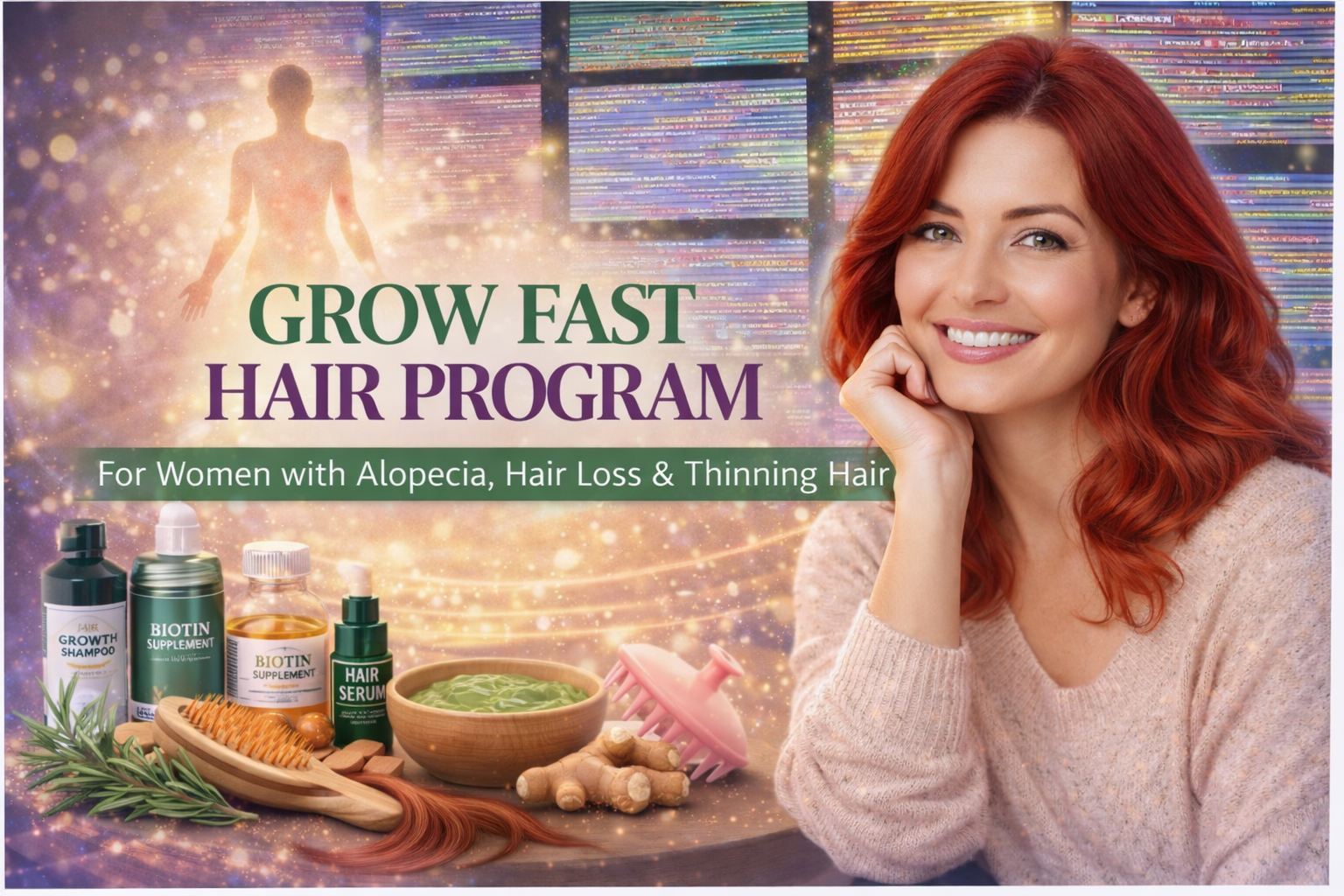
GROW FAST HAIR PROGRAM: For Women with Alopecia, Hair Loss & Thinning Hair
The Grow Fast Hair Program is a holistic 6-Month journey for women experiencing thinning hair, alopecia areata, or immune-related hair loss.