



That slow increase in belly fat…a creeping shift around your middle, the puffiness that was not there six months ago, the sudden feeling that your old food and exercise routine no longer works – this is often the moment women start searching for perimenopause weight gain natural help. And fair enough.
You are not imagining it. Perimenopause changes the hormonal conversation in your body, and that affects how you store fat, how hungry you feel, how you sleep, how stressed you become, and how much energy you have to care for yourself.
This is why a root-cause approach matters. Weight gain in perimenopause is rarely just about calories. It is usually a layered picture involving oestrogen fluctuations, rising insulin resistance, stress chemistry, inflammation, poor sleep, gut dysfunction, and sometimes thyroid changes. If you find the cause, you find the cure. That does not mean a quick fix. It means working with the body instead of fighting it.
Why perimenopause weight gain happens
Perimenopause is not a neat, straight line. Hormones can swing dramatically from month to month, even week to week. Oestrogen may be high one moment and low the next, while progesterone often drops earlier and more steadily. That combination can leave you feeling fluid retention, breast tenderness, anxiety, cravings, poor sleep and a tendency to gain weight more easily, especially around the abdomen, butt and thighs.
During this stage of hormonal fluctuation, some women choose to include supportive external options such as Wild Yam Herbal Cream. It is traditionally used in naturopathic practice to support women during perimenopause and menopause, particularly when symptoms such as mood changes, sleep disruption, and cycle irregularity are linked to shifting progesterone levels. Rather than acting on weight directly, it is used as part of a broader self-care approach to support hormonal balance during times of change.
At the same time, stress hormones often become louder. Many women in their 40s and 50s are carrying a lot – work, family, ageing parents, broken sleep, emotional load, and years of running on empty. Cortisol can drive belly fat storage, blood sugar instability and evening cravings. If you are tired and wired, waking at 3 am, then dragging yourself through the next day with caffeine and sugar, your body is being pushed into survival chemistry.
Muscle mass also starts to decline if it is not actively supported. Less muscle means a slower metabolic rate and poorer blood sugar handling. Add in gut issues, low-grade inflammation, alcohol, ultra-processed foods and a sedentary routine, and suddenly the body feels unfamiliar.
Perimenopause weight gain – natural help starts with the hormones
One of the biggest mistakes women make is responding with harsher restrictions. They slash calories, overexercise, skip meals, ignore stress and then wonder why nothing shifts. In perimenopause, that approach can backfire. When the body already feels under pressure, more pressure is not always the answer.
Naturopathic help starts by calming the system. That means stabilising blood sugar, improving sleep quality, reducing inflammatory load and supporting hormone metabolism through the liver and gut. For some women, this alone changes everything. For others, it reveals deeper issues such as insulin resistance, underactive thyroid function, oestrogen dominance patterns, or unresolved gut dysbiosis.
A naturopathic lens looks at the whole terrain. Are you constipated and not clearing hormones well? Are you inflamed, bloated and reacting to foods that never used to bother you? Is stress eating covering depletion? Is poor sleep driving hunger hormones the next day? These are not side notes. They are often the core drivers.
Food that supports hormone balance and body composition
You do not need a perfect diet. You do need a more strategic one.
Protein becomes especially important in perimenopause because it helps preserve lean muscle, keeps you fuller for longer and steadies blood sugar. Many women undereat protein without realising it, then feel snacky all afternoon and ravenous at night. Building meals around quality protein, fibre, healthy fats and colourful plant foods can make a very real difference to cravings and energy.
Nutrient depletion can also play a role in how the body responds during perimenopause, particularly when it comes to energy, stress resilience, and cravings. Activated B Complex is sometimes used to support the body’s energy metabolism and nervous system function, especially during times of increased physical or emotional demand. Because B vitamins are involved in processes such as energy production and stress response, maintaining adequate levels may help support overall vitality during this stage of hormonal change.
Fibre matters just as much. It supports bowel regularity, helps remove excess hormones, feeds beneficial gut bacteria and slows glucose spikes. Vegetables, seeds, legumes, berries and whole grains can all play a role, depending on your digestion. If your gut is sensitive, the right approach may need to be tailored. More fibre is not always better if your microbiome is inflamed or imbalanced.
It also helps to reduce foods that keep insulin and inflammation high. For some women, that means pulling back on sugar, alcohol and highly processed snack foods. For others, it means identifying hidden triggers such as excessive caffeine, large evening meals or eating too little through the day and then overeating at night. The goal is not deprivation. The goal is rhythm and balance.
The exercise shift that often works better
If your old cardio-heavy routine is no longer delivering results, that does not mean your body is broken. It means your strategy may need to mature with your hormones.
Strength training is one of the most powerful forms of perimenopause weight gain natural help because it protects muscle, improves insulin sensitivity and supports bone health at the same time. You do not need to become a bodybuilder. You do need to challenge your muscles consistently.
Walking also deserves more respect than it gets. Regular walking lowers stress, supports blood sugar regulation and is gentle enough for a nervous system that may already be overloaded. If you are exhausted, inflamed or not sleeping, long punishing workouts can sometimes increase cortisol and leave you more depleted. It depends on the woman, her stress load and her recovery capacity.
The sweet spot for many women is a mix of resistance training, walking, mobility work and enough recovery. Intensity has its place, but not as punishment.
Sleep, stress and the stubborn middle
If you are doing everything right on paper but still gaining weight, look closely at sleep. Broken sleep changes hunger hormones, increases insulin resistance and raises the drive for quick-energy foods the next day. It also leaves you too tired to move well, cook well and think clearly.
Night waking in perimenopause is common, often due to progesterone decline, blood sugar dips, cortisol spikes or overheating. Natural support may include balancing evening meals, reducing alcohol, supporting the nervous system, creating a steadier bedtime routine and using targeted herbal or nutritional support where appropriate.
To support more restful sleep and help calm the nervous system in the evening, some women find MediMag Sleep helpful as part of their nighttime routine, particularly when sleep disruption is linked to stress, muscle tension, or magnesium depletion during perimenopause.
Stress needs equal attention. This is not fluffy self-care advice. Chronic stress changes metabolism. If your nervous system never lands, your body will struggle to feel safe enough to let go of excess weight. Breathwork, time in nature, regular meals, gentle boundaries and practitioner support can all help shift the chemistry.
Gut health and inflammation are often the missing piece
Many women notice that perimenopause weight gain comes with bloating, constipation, reflux, skin flares or increased food reactions. That is a clue. The gut and hormones are deeply connected.
A sluggish bowel can contribute to poor hormone clearance. Dysbiosis can affect inflammation, cravings and energy production. If the gut lining is irritated, the immune system can stay activated, which then adds another layer of metabolic stress. This is one reason a root-cause naturopathic plan can be so effective. When inflammation calms, the body often responds more willingly.
This matters even more for women who also struggle with rosacea, eczema, psoriasis, acne or scalp issues during hormonal change. The skin is often telling the truth about what is happening inside.
Supporting gut health can be an important part of restoring balance during perimenopause, particularly when symptoms such as bloating, constipation, food sensitivities, or inflammation are present. One practitioner-formulated option is Gut Food Powder, a tasteless prebiotic and postbiotic formula designed to be mixed into water or smoothies. It is developed to support gut comfort, nourish the microbiome, and assist overall digestive function as part of a broader nutritional approach. Rather than acting as a quick fix, it is typically used alongside dietary changes such as increased fibre, whole foods, and adequate hydration to support long-term gut and hormonal health.
When natural support should be personalised
There are times when generic advice is not enough. If your weight gain is rapid, your periods are very heavy, your energy is crashing, your hair is thinning, or you are dealing with significant mood swings, insulin resistance or thyroid symptoms may need to be explored. Herbal medicine, practitioner-grade supplements and dietary changes can be incredibly supportive, but the right combination depends on your body, your history and your symptoms.
That is why personalised care matters. A woman with high stress and poor sleep needs a different plan from someone with obvious insulin resistance. Someone with bloating and skin flares may need gut repair before aggressive weight loss support. Someone else may need support with emotional eating, liver detox pathways or deeper nervous system regulation. Healing is not one-size-fits-all.
For women on the Sunshine Coast and beyond, working with an experienced practitioner who understands hormones, inflammation, gut health and the emotional weight of these changes can save months of frustration. This is where naturopathy shines – not by chasing one symptom, but by reconnecting the patterns.
A better question than how do I lose weight?
A more healing question is this: what is my body asking for right now?
Sometimes it is more protein and less grazing. Sometimes it is strength training instead of punishing cardio. Sometimes it is proper testing, better sleep, gut repair, hormone support or finally dealing with the stress you have been carrying for years. Natural help for perimenopause weight gain is not about forcing your body back into a younger version of itself. It is about restoring balance so your body can feel safe, strong and responsive again.
Click below for more information:
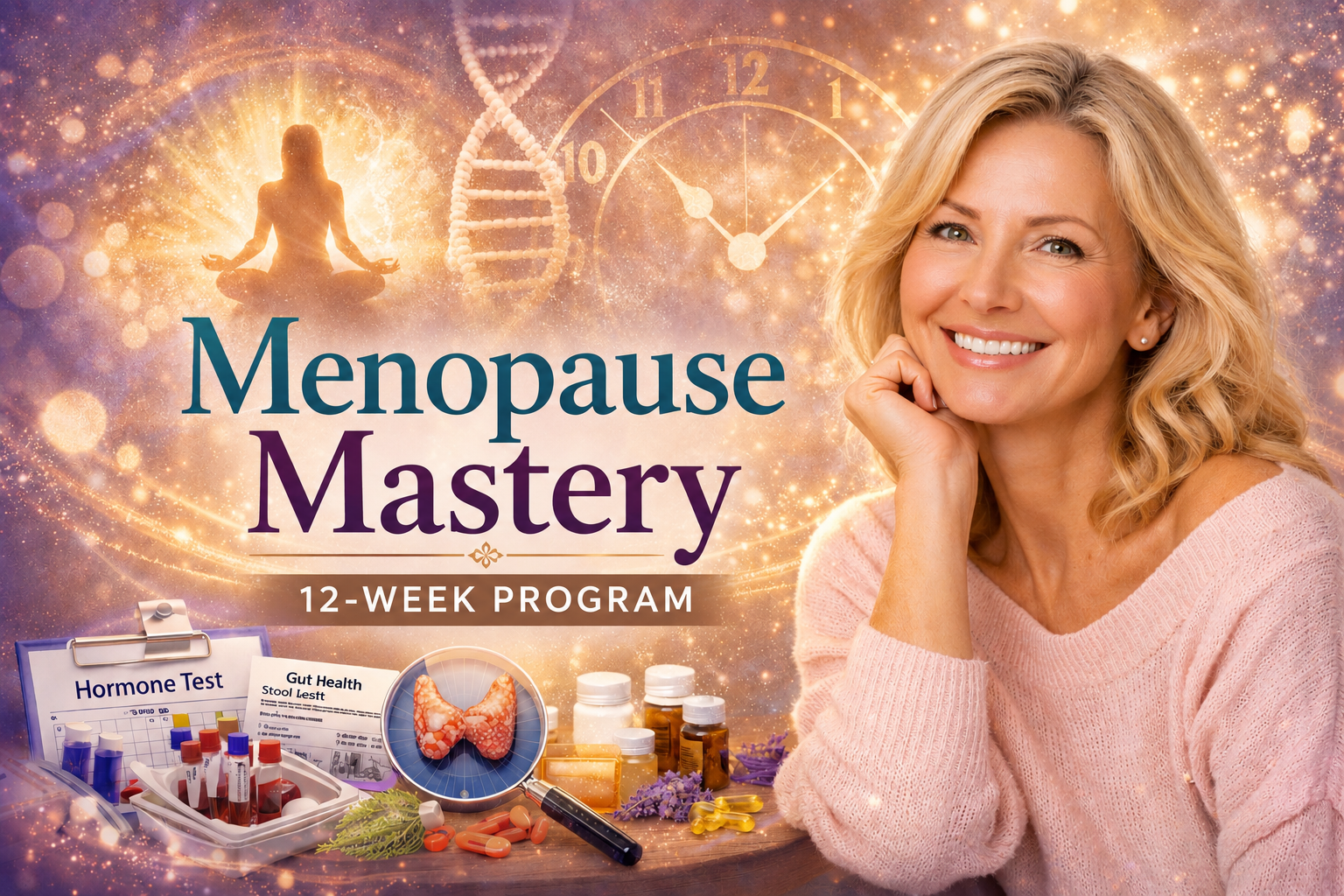
Menopause Mastery: 12 Weeks Guiding you through Peri & Menopause with Ease
The Menopause Mastery 12-Week Program is a holistic wellness journey designed for women navigating perimenopause to postmenopause, helping restore hormonal balance, ease symptoms, and support overall vitality.