



Some women intuitively feel when a flare-up is coming before the pain even arrives.
Sleep gets lighter, the stomach feels puffy, bowels become unpredictable, skin may react, and the whole body starts to feel inflamed.
That is why an endometriosis inflammation management plan can help. It gives you an effective way to respond to the signals, not just the crisis.
Endometriosis is not simply a period problem. It is a whole-body inflammatory condition influenced by hormones, immune activity, gut health, stress load, liver function and how well your body can clear excess oestrogen (possibly from the contraceptive pill).
When you find the cause, you have a far better chance of finding lasting relief and healing.
What an endometriosis inflammation management plan should actually do
A useful plan does more than remove a few foods (like gluten and/or dairy) and hope for the best! In fact most women who come to see Linda are already on strict diets, which haven’t helped!
The Program should calm inflammatory load, balance hormones, reduce pain triggers, and help your body recover. It also needs to be realistic enough to follow during busy weeks, peri-menopause, poor sleep and those times when your energy is already stretched.
This is where many women get stuck. They are trying to follow too many rules at once. They cut dairy, gluten, sugar and coffee in one hit, start three supplements, push themselves to exercise harder, and then wonder why the body feels even more stressed.
A good plan lowers the burden on the system without becoming another source of pressure.
Food first – because daily inflammation adds up
Food will not cure endometriosis on its own, but it can either fuel the fire or help cool it. For many women, the first step is reducing the most obvious inflammatory triggers for a period of time and then assessing the response. Common culprits include highly processed foods, caffeine, excess sugar, alcohol, and in some cases dairy or gluten. It depends on the individual. Some notice a dramatic difference off dairy. Others react more strongly to alcohol, seed oils or large amounts of caffeine.
Build meals around anti-inflammatory basics. Think quality protein, colourful vegetables, healthy fats, fibre and enough minerals. Oily fish, olive oil, avocado, berries, leafy greens, turmeric, ginger and slow-cooked broths can all have a place. Stable blood sugar matters as well. If you skip meals or live on toast and coffee, you can drive cortisol higher, worsen inflammation and increase hormonal instability.
For women in their 40s and 50s, this matters even more. Perimenopause can magnify inflammatory swings, change how you tolerate certain foods and make pain feel less predictable. Your body may need more nourishment, not less. Restriction is not always the answer. Sometimes the shift comes from eating more consistently and more deeply, not from cutting everything out.
Gut support changes the picture
Many women with endometriosis also deal with bloating, constipation, loose stools or IBS-like symptoms. The gut and the pelvis are in constant conversation. If your gut is inflamed, sluggish or imbalanced, that can feed into pain, immune activation and poorer oestrogen clearance.
Start with the foundations. Your Naturopath may order a functional Microbiome Mapping Stool Test to get a clear picture of gut health.
A vaginal microbiome test is another important test to have done.
With digestion, chew slowly. Eat in a calm state where possible. Increase fibre gradually, not aggressively, especially if you are already bloated. Hydration matters, but so do minerals and digestive capacity. Some women do well with probiotic foods. Others need a gentler approach first, especially if histamine issues or severe bloating are present.
Depending on your individual needs, your naturopath may also recommend a therapeutic probiotic such as Probiotica Clinical Powder 28 x Sachets to help support a healthy gut microbiome alongside dietary changes.
Hormones matter
Endometriosis is often described as oestrogen-driven, but the real picture is more layered. It is not only about whether oestrogen is present. It is also about how your body metabolises it, whether progesterone is adequate, how the liver is coping, what stress is doing to the hormonal axis, and how inflamed your tissues already are.
This is where individualised support becomes powerful. Some women benefit from herbs and topical support that help the body respond more calmly to hormonal fluctuations.
For women already using Wild Yam Cream through their peri-menopause or menopause journey, the key is understanding that one tool can support the terrain, but the whole system still needs attention. Hormones do not act in isolation.
If your cycle is irregular, heavy, clotty or highly painful, that information matters. If symptoms worsen around ovulation or before bleeding, that pattern matters too. The body is always giving clues. A Naturopath-led approach helps you read those clues instead of guessing.
Your liver and detox pathways need support, not extremes
With endometriosis, what you really want is better elimination and better hormone processing, not a harsh cleanse that leaves you depleted and headachy.
The liver helps package hormones for excretion. Nutrients that support antioxidant pathways, such as Orthoplex N-Acetylcysteine (NAC), may also form part of a personalised approach to support the body’s natural detoxification and cellular defence systems.
The bowel helps remove them. If either is sluggish, inflammatory load can rise. Bitter foods, adequate protein, fibre, hydration and regular bowel movements are simple but powerful. Some women benefit from targeted nutrients or herbal support, but more is not always better. If you are already exhausted, under-eating and waking at 3 am, a strong detox protocol may backfire.
Gentle consistency usually wins. Warm lemon water is fine if it suits you, but it is not magic. Daily bowel clearance, good protein intake and reduced alcohol will often do more than expensive trends.
Stress is not just emotional – it is biochemical
Women with endometriosis are often told to relax, which can feel dismissive when you are dealing with real pain. But stress physiology does matter. Ongoing stress can amplify inflammatory pathways, worsen pain sensitivity, disturb gut function and interfere with hormone balance.
This does not mean you meditating for ten minutes will solve severe symptoms. It means the nervous system deserves treatment as part of the plan. That may look like slower mornings, less high-intensity exercise during a flare, breathwork, time in nature, proper rest, bodywork, prayer, journalling or guided support that helps the body feel safe again.
The EE System scalar wave healing room is part of that wider healing picture. When the woman has been in fight or flight for years, it can take more than willpower to unwind it. The EE System is the perfect way to relax and allow the body to heal itself!
Movement should calm inflammation, not provoke it
Exercise advice can be tricky with endometriosis. Movement is beneficial, but too much intensity at the wrong time can increase pain and fatigue. Walking, stretching, Pilates, yoga, swimming and weights with adequate recovery are often more supportive than relentless cardio.
If you are in a flare-up, choose a massage, reiki healing or EE System session.
If you are in a better phase, build strength gently. Muscle supports metabolic health, blood sugar balance and resilience through peri-menopause, but your body still needs you to listen.
Sleep is one of the most underestimated tools
Poor sleep lowers pain tolerance and raises inflammatory load. It also affects hunger, cravings, mood and hormones. Yet many women with endometriosis are waking through the night, wired but tired, or pushed past their natural limits.
Magnesium support, such as Mag-Oro 120 Tablets, may also be recommended for women needing nutritional support for muscle relaxation, nervous system function and sleep quality.
An endometriosis inflammation management plan should include a sleep strategy. Keep the evening simpler. Reduce stimulating screens late at night. Eat enough through the day so you are not running on stress hormones by bedtime. If pain wakes you regularly, that is not something to just put up with. It is a sign the plan needs adjusting.
Supplements can help
There is a place for supplements in endometriosis support, especially when inflammation, nutrient depletion and hormone imbalance are involved. Omega-3s, such as Algal EPA/DHA 60 Capsules, magnesium and selected anti-inflammatory herbs are commonly used to help support a healthy inflammatory response. Some women also need support for iron, vitamin D, zinc or gut repair.
But supplements work best when they are matched to the person and or any testing done.
What helps one woman may aggravate another, particularly if histamine, digestive issues or medication interactions are involved. Throwing a dozen products at the body is rarely wise. Better to choose the right tools, use them well, and track the response.
Why personalisation changes outcomes
Two women can both have endometriosis and need very different support.
One may be dealing with heavy bleeding, iron depletion and suspected oestrogen excess. Another may be in peri-menopause with poor sleep, anxiety, gut issues and inflammatory skin flare-ups on top of pelvic pain. Same diagnosis, different terrain.
That is why a root-cause approach matters so much. You are not just a symptom checklist. Your body has a story. Hormones, skin, digestion, energy, mood and pain often connect more closely than you have been told.
If you have been dismissed, rushed or handed the same generic advice again and again, please hear this clearly. Your symptoms are real. Your inflammation is not imagined. And there is wisdom in slowing down enough to ask what your body has been trying to say.
A supportive plan is not about controlling every bite or fearing every flare. It is about creating the conditions where the body can calm down, clear better, and respond with more resilience over time.
If you’re looking for a personalised, root-cause approach, our Endometriosis 6-Month Holistic Reset Program combines comprehensive testing, targeted nutrition, herbal medicine, lifestyle guidance and ongoing naturopathic support to help reduce inflammation, balance hormones and address the underlying drivers of endometriosis.
Click below for more information:
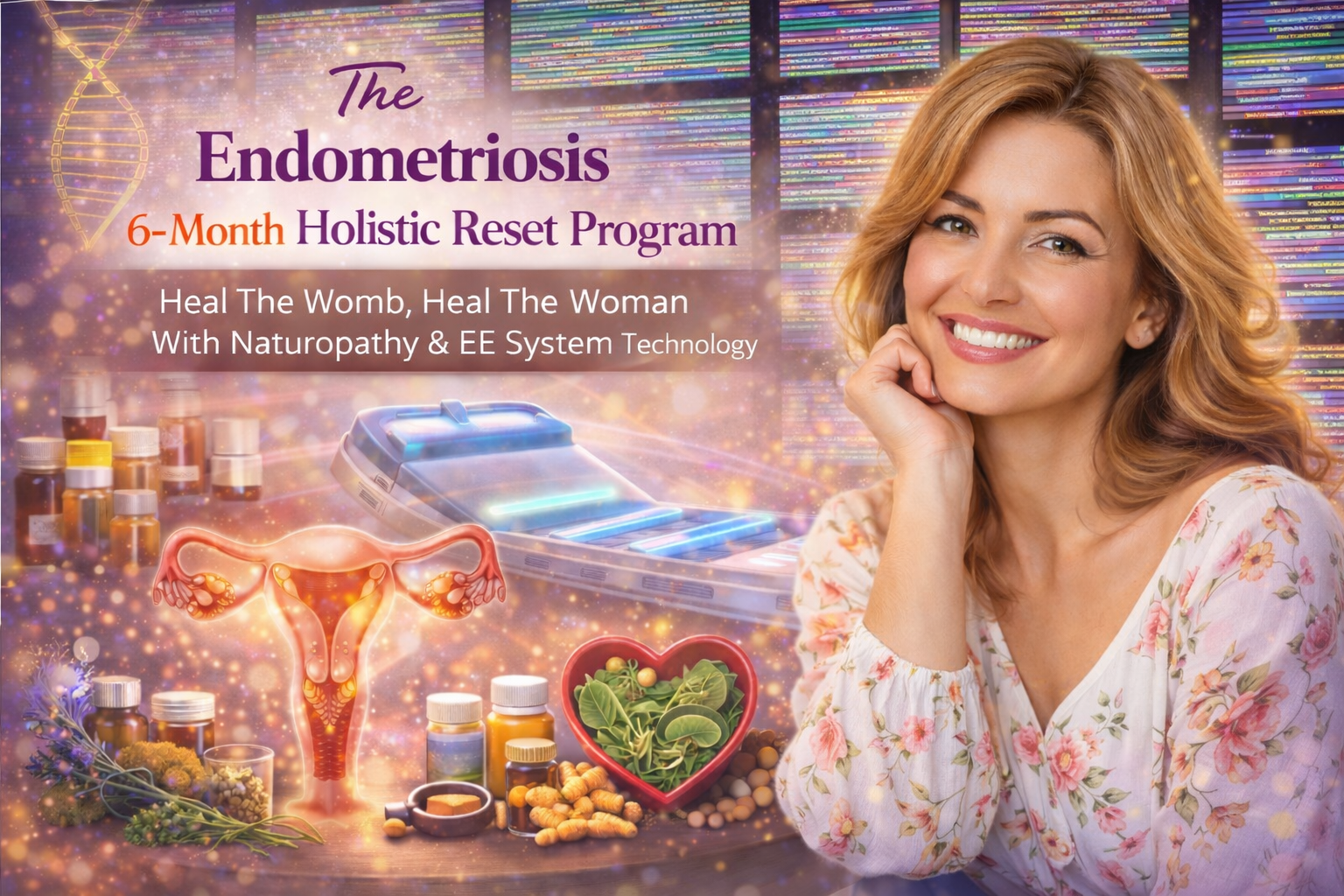
The Endometriosis 6-Month Holistic Reset Program
The Endometriosis 6-Month Holistic Reset Program is a comprehensive mind-body-womb healing journey designed for women seeking to alleviate chronic endometriosis symptoms, restore hormonal balance, and reconnect with their body.