


A fading desire can feel deeply personal.
When people search for sex drive – improving female and male libido, they are rarely looking only for a way to have more sex. They want to feel like themselves again: connected to their body, confident with their partner and free from the worry that something essential has disappeared.
For women and men over 40, libido often changes alongside perimenopause, menopause, stress, disrupted sleep, weight changes, relationship pressure and shifts in confidence.
It is not a personal failure, and it is rarely explained by one hormone alone. Desire is a whole-body conversation between the brain, nervous system, circulation, hormones, energy, comfort, and emotional safety.
Sex drive: improving female and male libido after 40
The first step is to stop treating low libido as an isolated symptom. A body that is exhausted, inflamed, anxious, in pain or constantly running on cortisol will often place sexual desire low on its list of priorities.
For many women, the transition through perimenopause can bring vaginal dryness, changes in sensation, pain on intercourse, sleep disturbance, anxiety and a drop in desire.
Lower oestrogen can affect genital tissues and comfort, while fluctuating hormones can make arousal feel less predictable than it once did. If intimacy has become uncomfortable, the body may begin to anticipate discomfort rather than pleasure.
For women whose changes in libido are occurring alongside perimenopause or menopause symptoms, LindPark Creations Naturals Meno-Ease Herbal Tincture can be considered as part of a broader menopause-support routine. Rather than focusing on libido in isolation, supporting the wider experience of midlife hormonal change may help women address the sleep disruption, stress, mood changes and other symptoms that can influence desire and wellbeing.
For men, libido can be affected by chronic stress, poor sleep, blood sugar imbalance, alcohol, reduced fitness, low mood, medication use, and changing testosterone levels. Sexual desire and erectile function are related, but they are not the same thing. A man can still love and desire his partner while his body is signalling that circulation, stress load or health needs attention.
Research consistently shows that sexual wellbeing is multi-factorial.
Studies of midlife women, for example, have found that relationship satisfaction, mental health, sleep quality and vaginal comfort can be as influential as hormone levels.
In men, sleep restriction has been associated with lower morning testosterone and reduced vitality.
The message is clear: meaningful change comes from looking at the pattern, not chasing a single magic supplement.
Start by finding the signals beneath the symptom
A lower sex drive that appears suddenly, feels distressing, or comes with other symptoms deserves some testing and a closer look.
Consider what changed in the months before desire shifted. Was there a period of relentless work stress? New medication? Weight gain around the middle? A difficult relationship season? Waking at 3 am every night? Hot flushes, painful sex, urinary changes, fatigue or a loss of joy?
For women, it can be helpful to assess the wider hormone picture, including cycle changes where relevant, thyroid function, iron status, blood sugar regulation, stress burden and digestive health. Women with PCOS, endometriosis, heavy periods or a history of restrictive dieting may have additional factors affecting energy, mood and sexual wellbeing.
For men, consider blood pressure, glucose regulation, waist circumference, sleep quality, snoring, low exercise, alcohol intake, stress and prostate symptoms. Reduced libido alongside fatigue, low mood, declining strength or erectile changes may warrant a thorough health review rather than guesswork.
A practitioner-led approach can connect these clues.
With Linda Marion Parker ND, the focus is on understanding the body and its symptoms: hormones, nervous system load, inflammation, digestion, sleep and the emotional experience of living in your body. If you find the cause, you can create a far more intelligent pathway towards healing.
Do not ignore pain, bleeding or sudden changes
Painful intercourse, bleeding after sex, a new pelvic lump, significant urinary symptoms, breast changes, severe depression, chest pain or a sudden inability to achieve an erection should be properly assessed. It is also worth reviewing prescribed medicines with the clinician who prescribed them, as some antidepressants, blood pressure medicines and other treatments can affect desire or sexual response.
Support the foundations that create desire
There is no glamorous shortcut here, but these foundations can be profoundly effective when practised consistently. Desire needs available energy. It needs a nervous system that has opportunities to settle. It needs blood flow, nourishment and time away from performance pressure.
Sleep is often the first place to begin. Seven to nine hours will not be possible every night for every person, especially during a demanding season of life, but regular sleep and wake times can make a genuine difference. Poor sleep intensifies stress hormones, worsens insulin resistance and can leave both men and women feeling disconnected from their bodies.
Movement matters because it supports circulation, mood, strength and body confidence. A brisk walk, resistance training, Pilates, swimming or a consistent gym routine can all help. Resistance training is particularly valuable after 40, when preserving muscle mass supports metabolic health and healthy ageing. The best movement is the one you can sustain without turning exercise into another stressful obligation.
Food should support stable energy rather than the afternoon crash. Prioritise protein at meals, colourful vegetables, fibre, healthy fats and adequate hydration. Extreme dieting can suppress libido, particularly when it leaves you hungry, depleted or preoccupied with food. If weight loss is a goal, a gentle and sustainable approach is kinder to the nervous system than endless restriction.
Alcohol deserves an honest look. A glass of wine may feel relaxing in the moment, but regular excess can fragment sleep, affect mood, and reduce sexual function. Cutting back is not about deprivation. It is about giving your hormones, liver, and nervous system more room to recover.
Restore comfort and connection without pressure
Many couples accidentally make sex a test of whether their relationship is still healthy. That pressure can shut desire down even further. Instead, rebuild physical closeness without a fixed outcome.
A massage, a bath, walking together, exercising together, lying together, kissing for longer than usual or simply talking honestly about what has changed can help the body feel safe again.
Women experiencing dryness or irritation may benefit from gentle, non-irritating vaginal moisturising support (like Erato Intimacy Oil) and more time for arousal. Avoid fragranced products that can aggravate sensitive tissue.
Men (who can also use Erato Intimacy Oil) may need to let go of the expectation that desire and erection must appear instantly or perform exactly as they did at 25. Slowing down can be surprisingly restorative for both partners.
The responsive desire model is useful here. Not everyone feels spontaneous desire out of the blue. For many people, especially during midlife, desire follows relaxation, affection, touch and arousal rather than arriving before them. There is nothing wrong with this pattern. It simply requires space and patience.
Herbs and creams for Libido
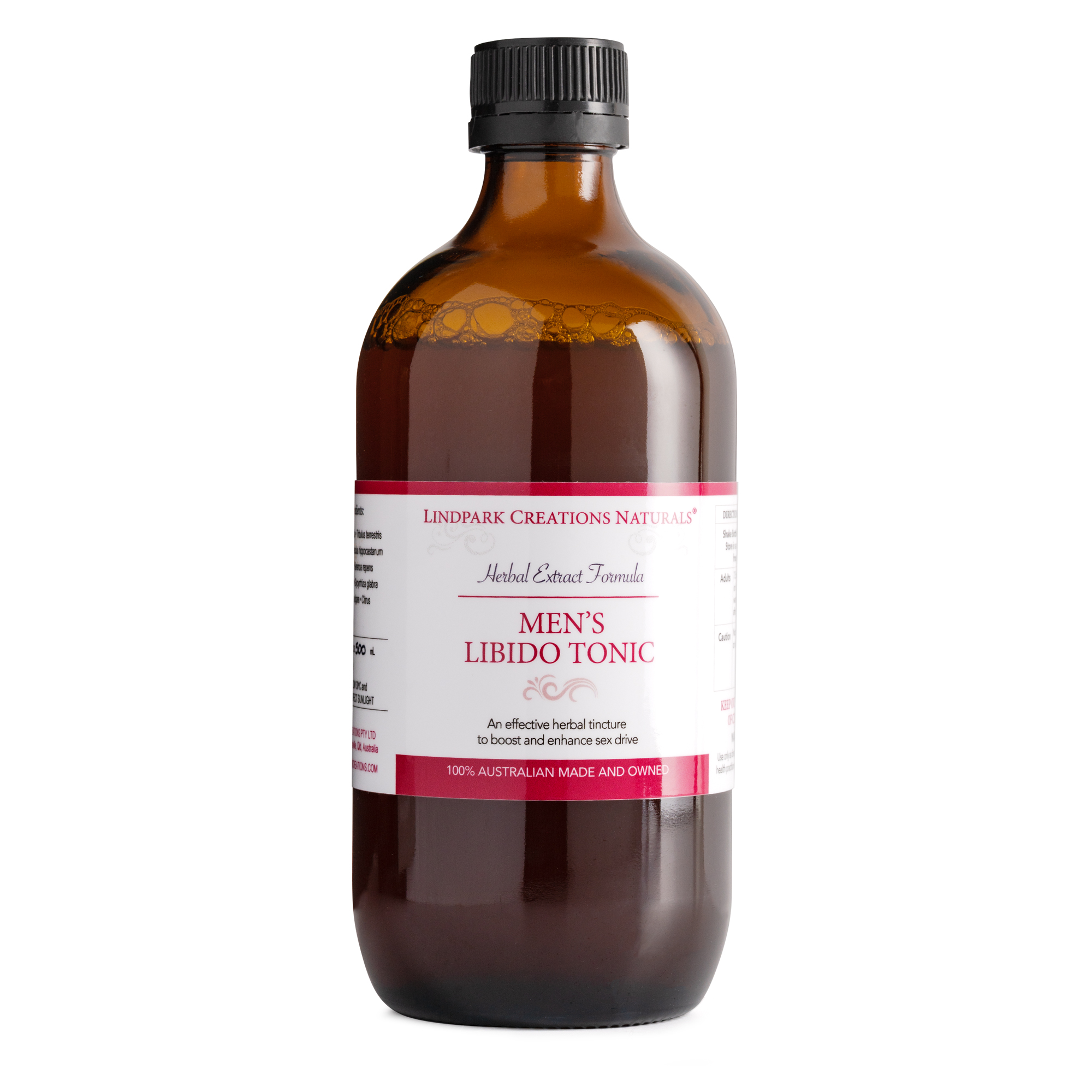
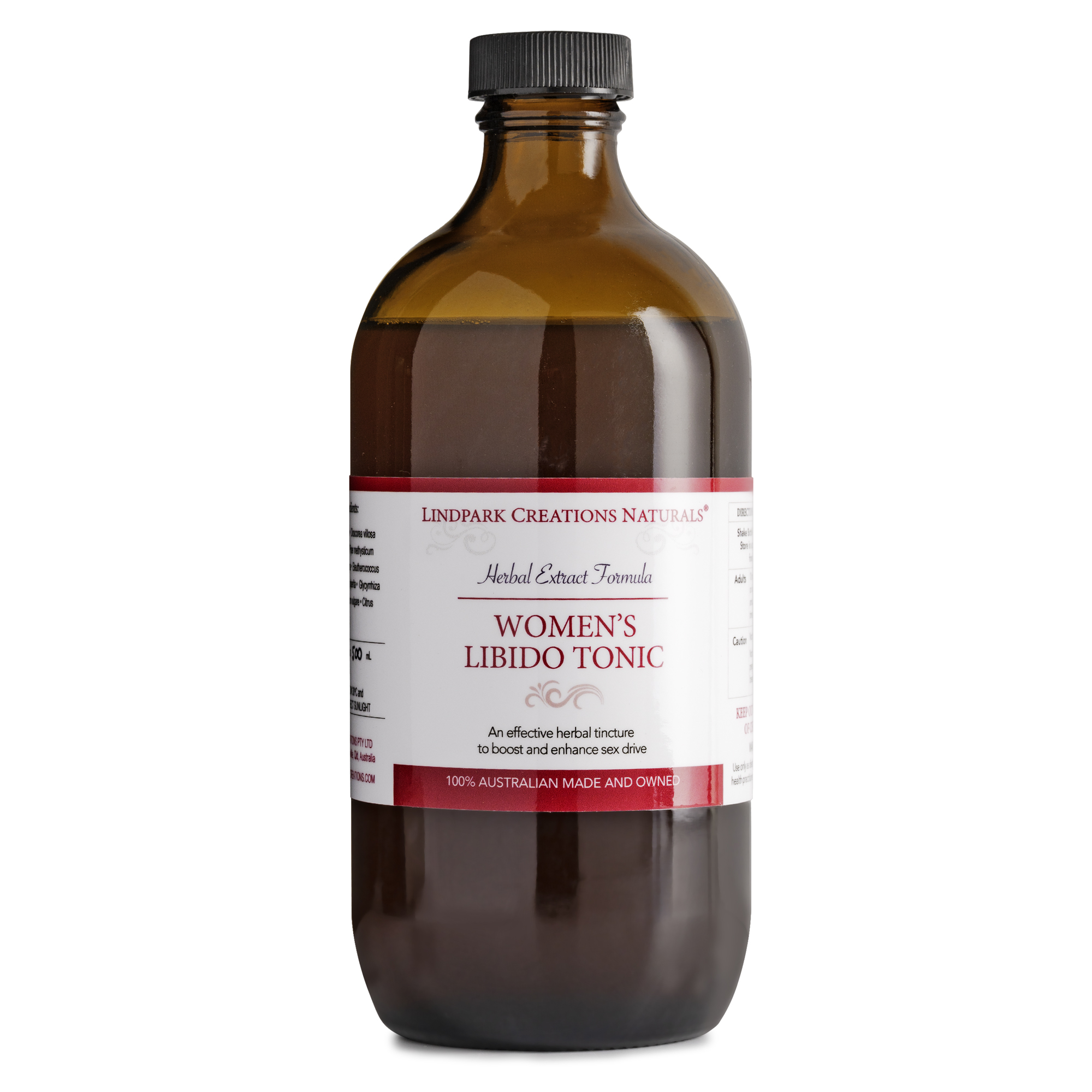
Our Men’s Libido Herbal Tincture and Women’s Libido Herbal Tincture contain herbs to promote circulation and libido.
Wild yam contains diosgenin, a plant compound used in laboratory manufacturing of steroid hormones.
What a topical cream can offer is consistency, self-care and a nurturing way to reconnect with the body.
LindPark Creations Naturals offers Wild Yam, Saw Palmetto & Ashwagandha Men’s Vitality Cream for mature men, designed for daily application to dry skin. Ashwagandha has shown promising results in small studies for stress, wellbeing and aspects of sexual function, while saw palmetto is commonly used in herbal practice for male urinary and prostate support.
Women using wild yam-based topical products may also value them as part of a daily hormone-support ritual, especially when paired with sleep, nutrition, stress care and targeted naturopathic guidance.
Wild Yam Cream for Women is designed to complement this daily self-care ritual, providing a nourishing topical option for women who want to incorporate wild yam into their wellness routine.
The trade-off is that no cream can compensate for severe exhaustion, unresolved trauma, painful sex or a relationship that needs honest attention.
When personalised support changes the picture
If you have tried eating well, exercising and taking supplements without a clear shift, the missing piece may be individualisation. Two women can both say, ‘I have no libido’, yet one may be depleted from insomnia and cortisol overload while another is dealing with painful dryness, thyroid imbalance or body-image distress. The same is true for men.
A thoughtful consultation creates room to discuss what is often left unsaid: resentment, anxiety, prostate concerns, skin flare-ups, digestive symptoms, menopause, confidence and the impact of years spent caring for everyone else. This is where root-cause care becomes powerful. Your body is not giving you random symptoms. It is communicating.
You do not need to force desire back or pretend that nothing has changed. Begin with curiosity, nourish the systems that make pleasure possible and allow your body the time and support it has been asking for.
A healthier sex drive is often not something you chase. It is something that returns when your whole self feels heard.
Click below for more information:
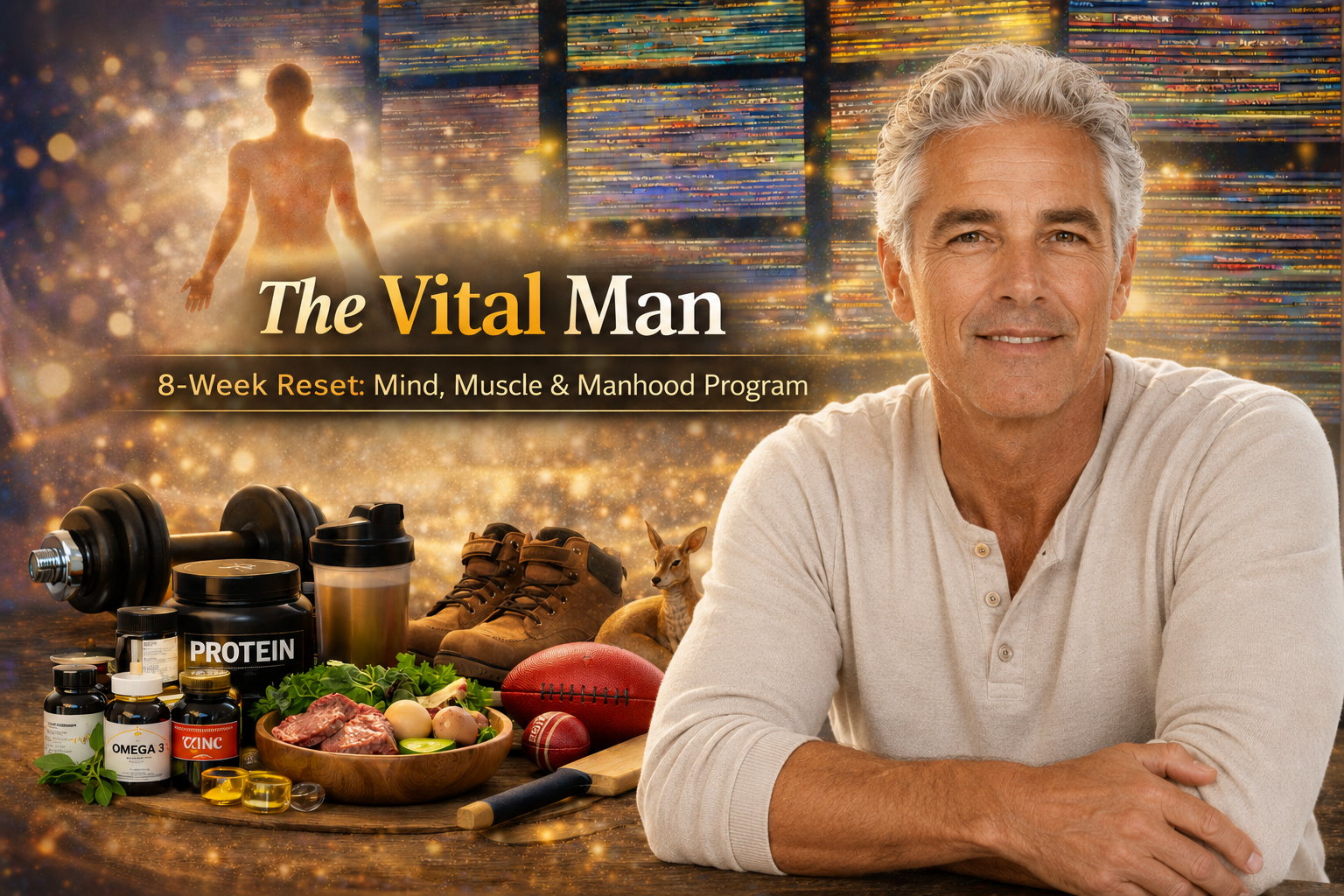
The Vital Man 8-Week Reset: Mind, Muscle & Manhood Program
The Vital Man 8-Week Reset is a holistic program designed for men seeking to restore energy, strength, hormonal balance, and overall performance at any stage of life.
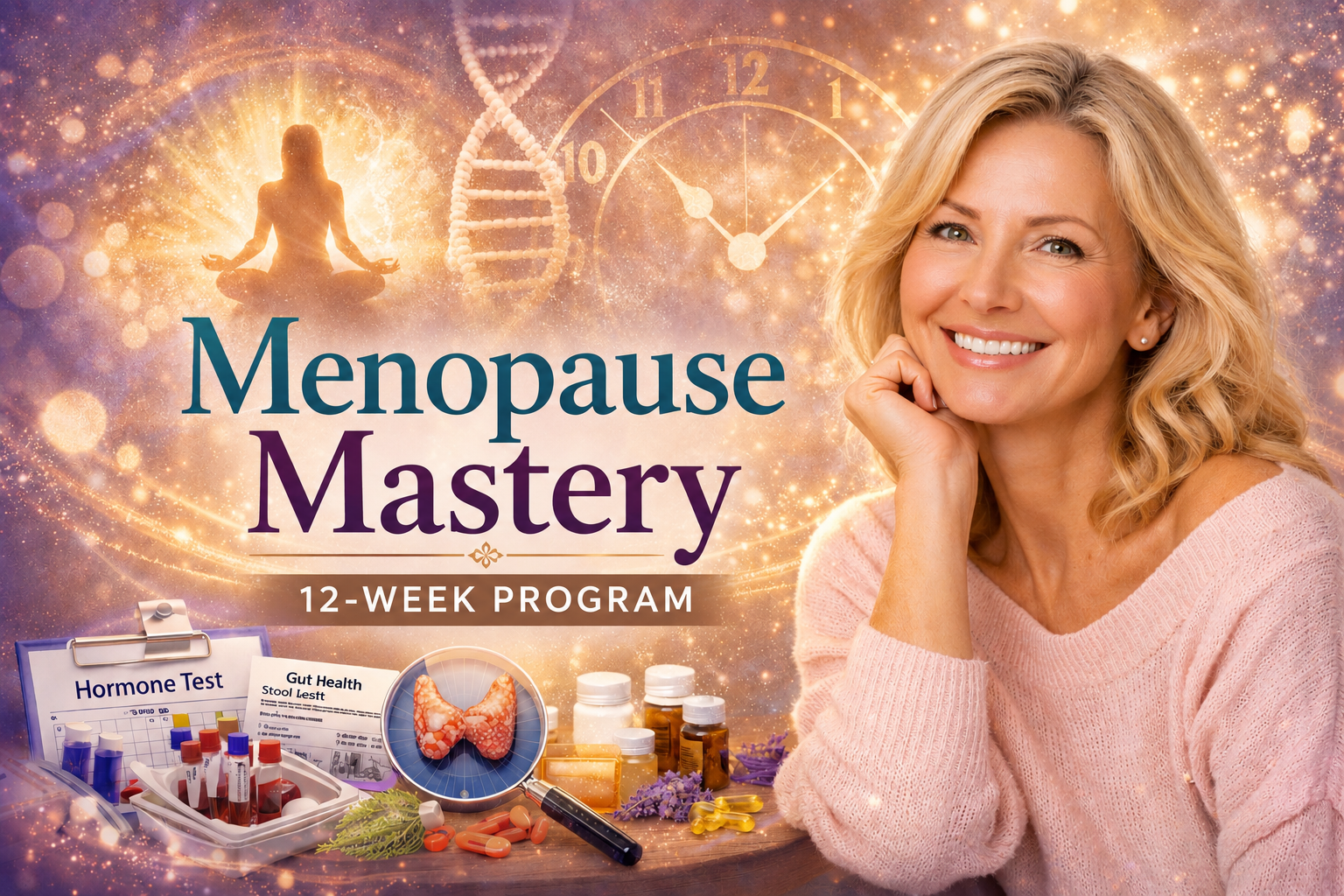
Menopause Mastery: 12 Weeks Guiding you through Peri & Menopause with Ease
The Menopause Mastery 12-Week Program is a holistic wellness journey designed for women navigating perimenopause to postmenopause, helping restore hormonal balance, ease symptoms, and support overall vitality.